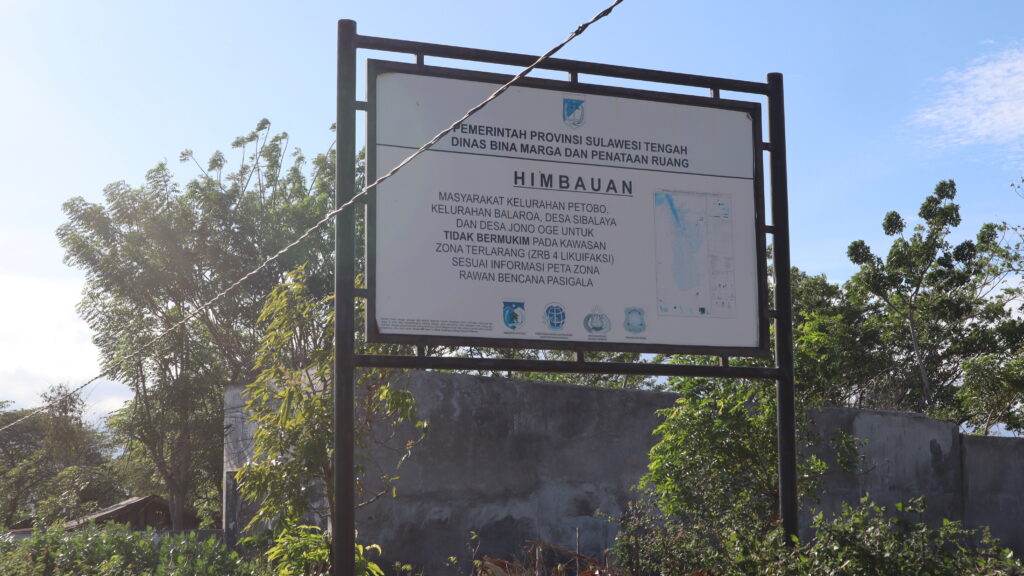
Five years have passed since an earthquake shook Donggala Regency, Central Sulawesi Province, in September 2018. However, the recovery process for residents in Tompe Village, Sirenja Subdistrict, still poses challenges. A number of residents still live in temporary shelters, indicating that the journey to full recovery is still ongoing. To date, 340 shelters are still occupied by the residents of Tompe Village.
This displacement not only touched the physical aspects, but also created profound social impacts. The number of domestic violence cases in Tompe Village has increased since the disaster, allegedly due to economic and social instability.
Before the earthquake, the economy of Tompe residents tended to be self-sufficient with the majority relying on sea catches as their main livelihood. Husbands or men in the family generally became fishermen, while their wives sold the catch. However, the 2018 earthquake changed this dynamic. Many residents were forced to switch professions or experienced a decline in sales, thus facing a significant drop in their daily income.
Mrs. Fatnur, a resident of Tompe, said that before the disaster, she could earn IDR 600,000 a day by selling fish. After the 2018 earthquake, her income dropped by half. “[Jualan ikan] from morning at 07.00 WITA go home at 11.00 WITA. If it doesn’t run out, I continue selling at 3:00 pm until 7:00 pm. Sometimes it runs out, sometimes it doesn’t. The income if it sells [semua] is Rp 300,000,” said Mrs. Fatnur. The decrease in income is due to the decrease in purchasing power after the disaster.
Many residents who switched their livelihoods were confirmed by the Head of Tompe Village, Mr. Herdi. A number of fishermen were forced to change professions to become farmers because of the location of their shelters on the mountain. Previously, they were fishermen whose houses were located by the sea. Even so, Mr. Herdi emphasized, many residents also do double work – both as fishermen and farmers – to cover their needs.
In addition to changing economic conditions, the process of adaptation from home to shelter after a disaster is said to increase cases of domestic violence in the village. “There is a slight presentation [kenaikan KDRT]. We can’t calculate it, but there is an increase. Because of the economy, living in deprivation triggers emotions,” said Mr. Herdi.
He added that domestic violence that has occurred since he has served as village head since 2020 is a case that leads to divorce. Usually, such cases can be resolved through family or mediation. “If you don’t want to mediate like that. I have to follow up to the top (police). [pencabulan] Alhamdulillah, there are no such cases in Tompe Village to this day,” he added.

The occurrence of domestic violence made Herdi look for ways to educate her community about violence and its impact. After attending a workshop on handling sexual violence organized by the Central Sulawesi Women’s Equality Struggle Group (KPKP-ST) in 2022, she began to get an idea. In November 2023, she initiated a socialization program for residents by presenting various stakeholders, such as the police, prosecutors, and the Donggala District Office of Women’s Empowerment and Child Protection (DP3A). To support these activities, she disbursed funds from the Village Fund budget.
“I allocated Rp 23,275,000 in the form of socialization about [kekerasan terhadap] women, which was opened directly by the [DP3A] Office involving 50 residents and community leaders,” she added.
In addition, he also formed a PPA Task Force in his village. “In early 2023, after our friends from [KPKP-ST] invited [ke workshop], we understood better. I am grateful that there is knowledge there and this must be done in the community,” she said.
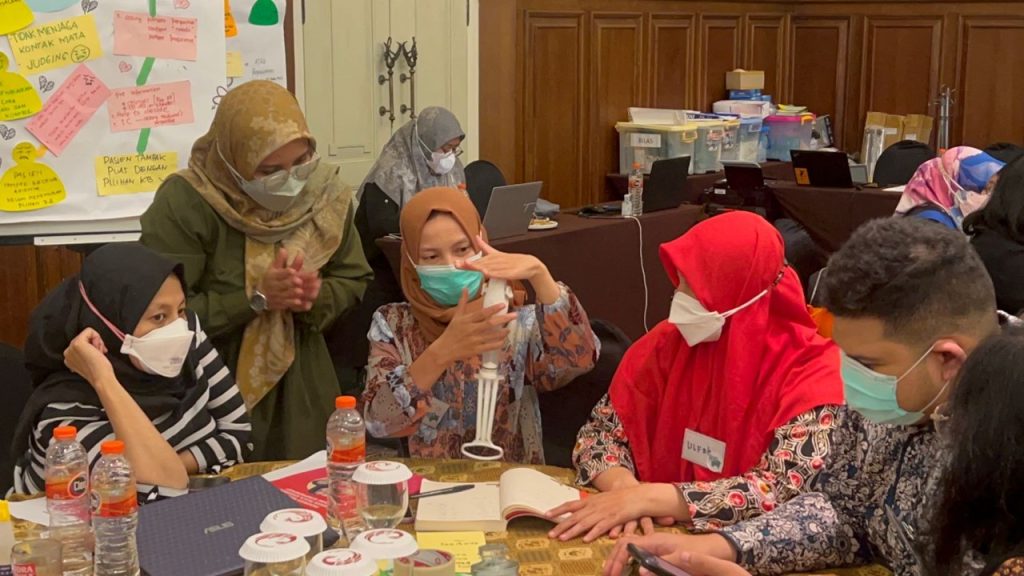
During August-December 2023, KPKP-ST with the support of IPAS Indonesia Foundation, conducted 10 workshops related to strengthening the commitment of village governments to encourage policy innovation and budget support for the prevention of violence against gender. The workshop was attended by 249 participants from village representatives in Donggala and Sigi districts.