Research shows that the climate crisis has a significant impact on women’s reproductive health. However, the interaction and linkages between these two issues have not been adequately addressed in many development activities.
In 2022-2023, IPAS Indonesia partnered with Hasanuddin University to conduct a research study on climate crisis and reproductive health in Central Sulawesi Province. Using a qualitative and participatory approach, our findings revealed that the water crisis caused by climate change has caused many disruptions and infections to women’s reproductive health systems.
One of the significant impacts of the climate crisis is the increased risk of pregnancy complications. This includes a higher incidence of bleeding, miscarriage, abortion and labor complications.
In addition, the climate crisis has also contributed to an increase in domestic and community sexual violence. Loss of employment due to unproductive land due to climate change also contributes to this problem. Men often feel dehumanized by patriarchal notions of being the breadwinner.
However, these valuable insights have yet to be fully integrated into climate crisis intervention programs that directly address reproductive health and gender equity.
Therefore, IPAS Indonesia is actively consolidating with environmental organizations to raise awareness of the alarming link between the climate crisis and its potential to trigger a health crisis, especially among vulnerable communities who are highly affected by environmental factors and do not have access to proper health services.
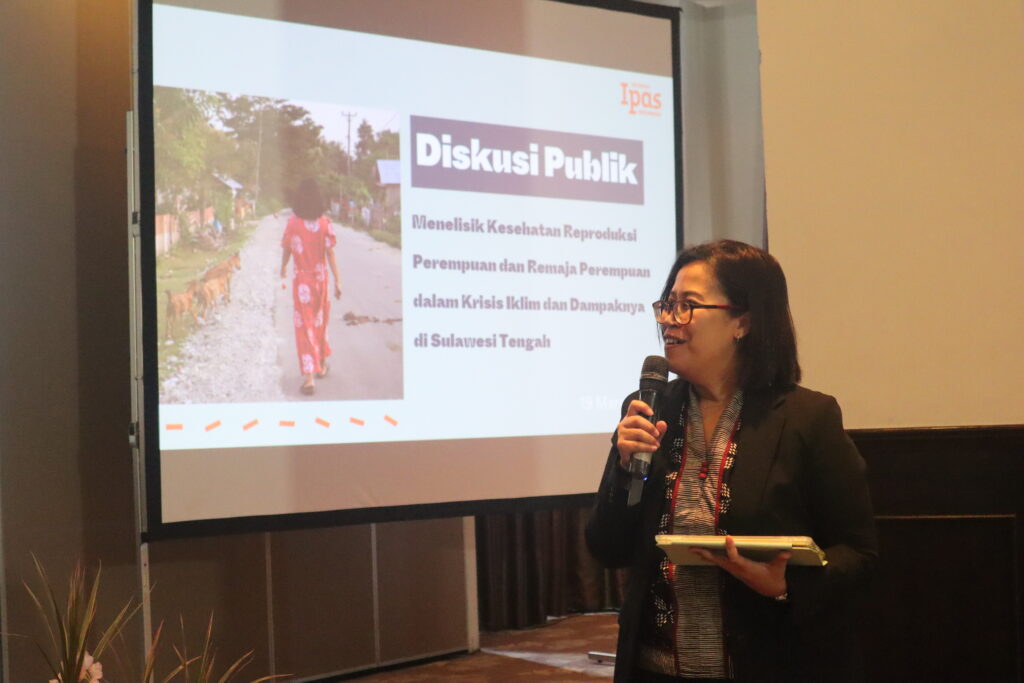
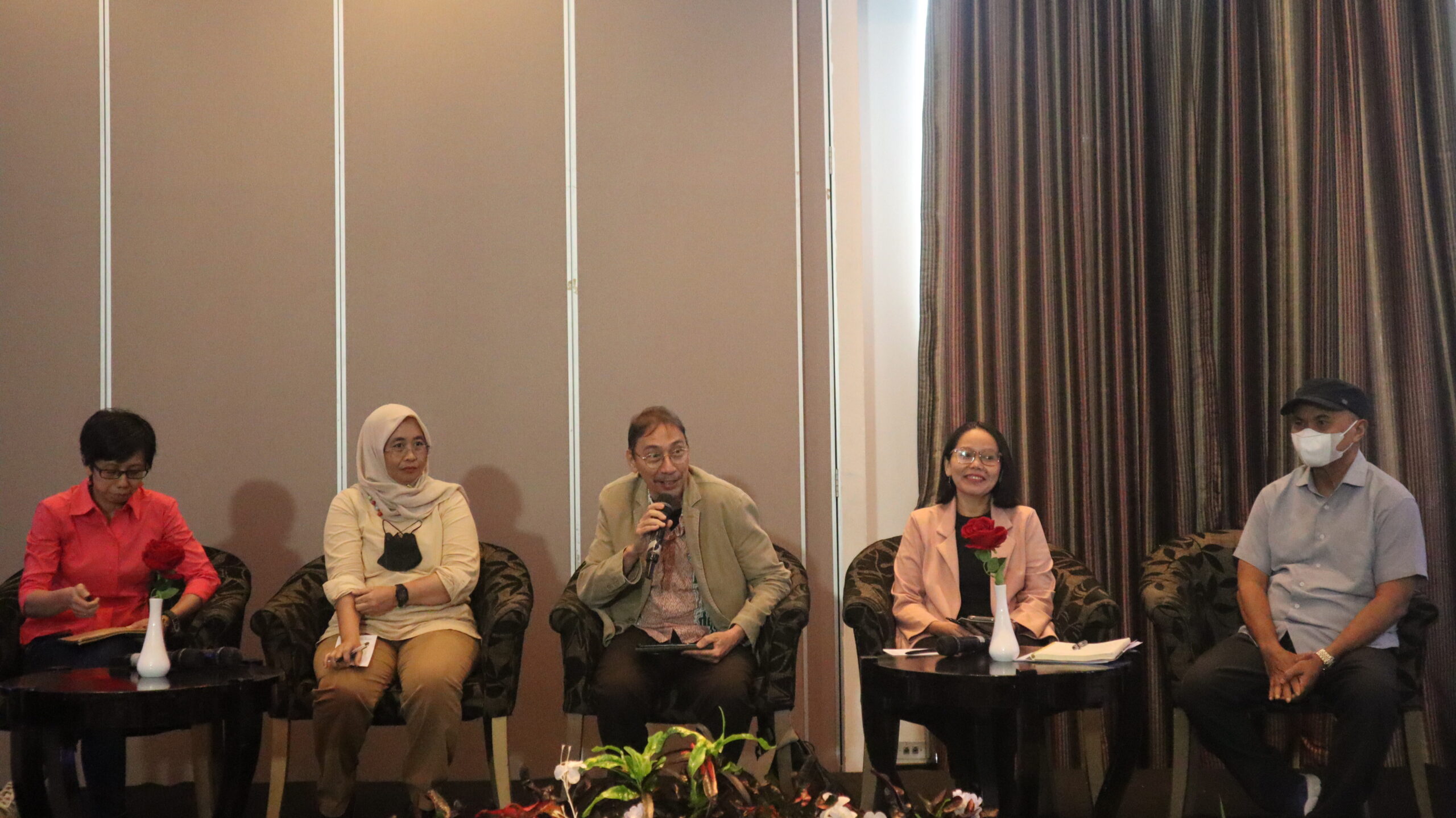
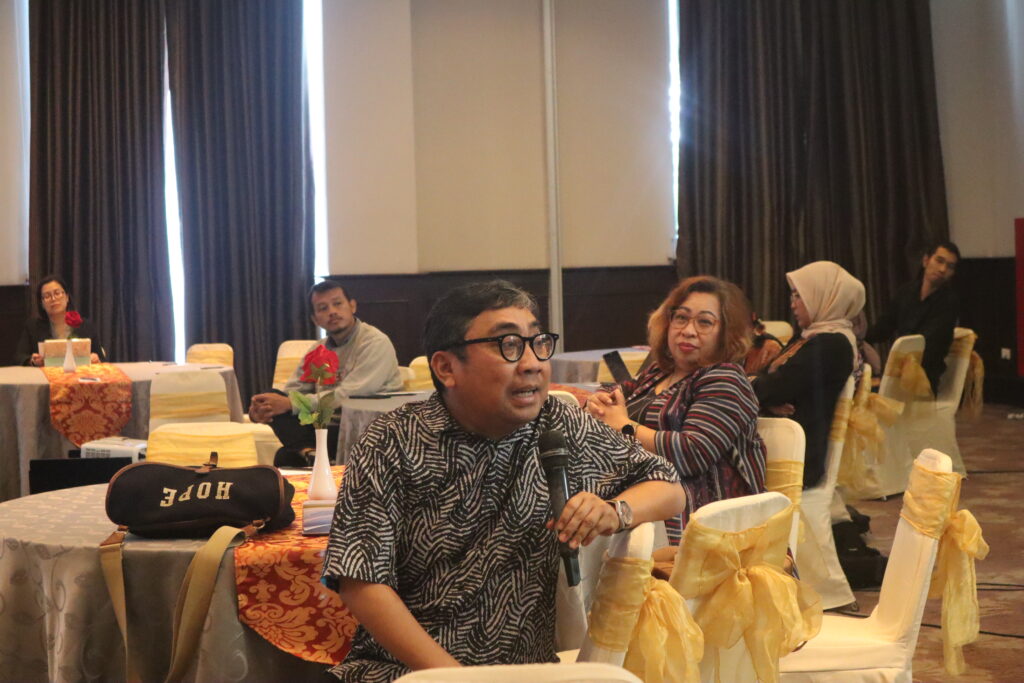
On 19 March 2024, IPAS Indonesia organized a research dissemination event involving environmental organizations in Jakarta. The aim of the event was to raise awareness and disseminate IPAS Indonesia’s research findings on the intersection of climate crisis and reproductive health.
“It is sad that the climate crisis, which is essentially a health crisis, has long been ignored in discussions on climate change,” said Sudirman Nasir, S.Ked.,MWH.,Ph.D., a senior lecturer and researcher from Hasanuddin University.
Climate crisis has exacerbated gender and social injustices
Khalisa Khalid, Public Engagement and Action Manager from Greenpeace Indonesia, in sharing her thoughts on the IPAS research, highlighted the deep connection between the climate crisis and women’s issues.
“This research highlights how gender justice is inextricably linked to the complexities of the climate crisis. It is important for environmental organizations, including Greenpeace, to dig deeper into these impacts at the community level,” Khalisa emphasizes.
Responding to the research findings, Arianto Sangadji, a researcher with Ecological Action and People’s Emancipation, said that disasters triggered by climate change exacerbate the class divide in society. During disasters, these class differences become more pronounced, especially as critical agricultural infrastructure is often destroyed.
“I believe the key issue is… the climate crisis must be a priority, and the solution lies in changing our system. The current system, which overexploits natural resources, is the cause of the climate problem. We live in a capitalist system, and this needs to be fixed; otherwise, solving the problem will be even more difficult,” he explained.
He emphasized the need for systemic change because in addition to being heavily impacted by the climate crisis, Indonesia is also a significant emitter of greenhouse gases. “It is important to remember that when we talk about the climate crisis, we mean the accumulation of greenhouse gases in the atmosphere,” he concluded.
Promoting reproductive justice
Advancing climate justice, gender justice and reproductive justice simultaneously is crucial. The study conducted by IPAS Indonesia Foundation and Unhas reinforces how the issues of Reproductive Justice and climate crisis are interconnected. This means that Reproductive Justice will never be achieved if Climate and Gender Justice have not also been realized. Therefore, advancing climate justice, gender justice and reproductive justice simultaneously is very important. This requires strong collaboration, especially from environmental and health organizations to strengthen community resilience.
IPAS Indonesia will collaborate with gender justice organizations, environmental organizations and local institutions to initiate an innovative pilot project on climate and reproductive justice in 44 villages in Central Sulawesi over the next three years. Our goal is to empower women to not only survive but thrive in the face of climate change challenges.