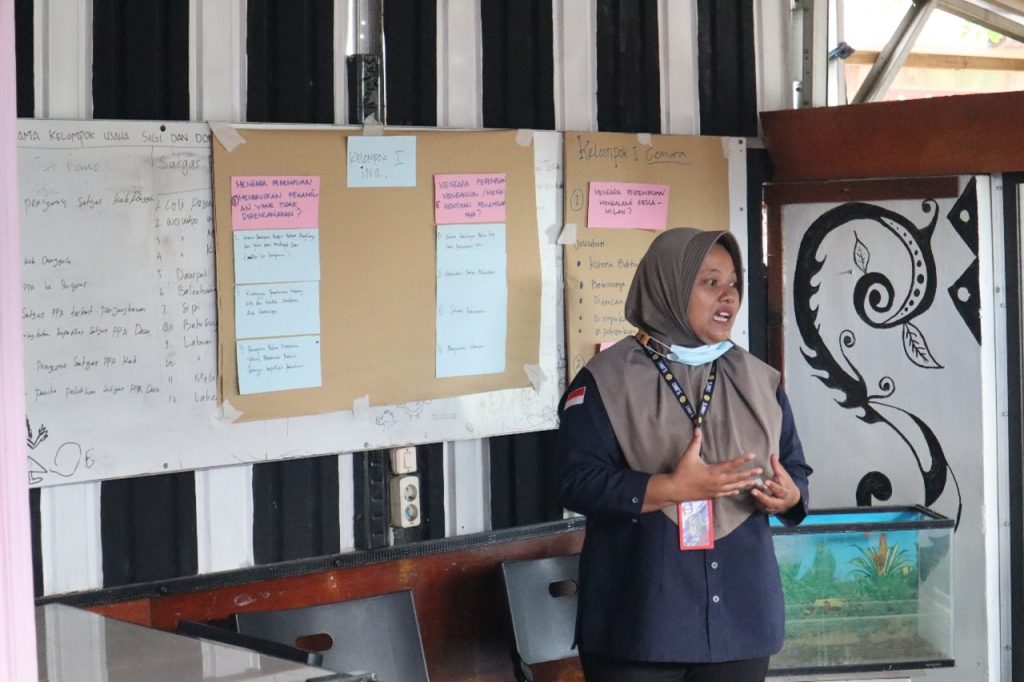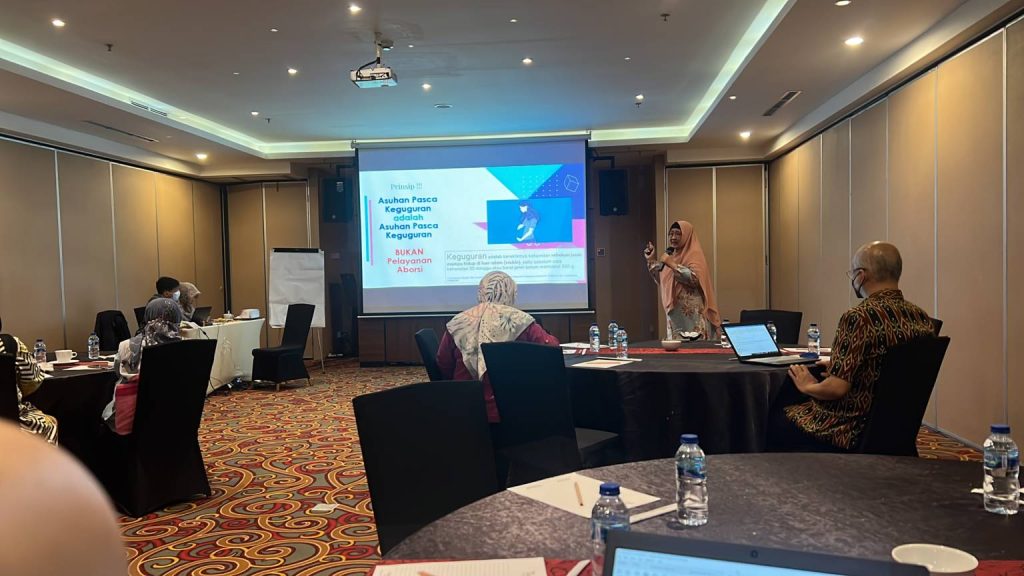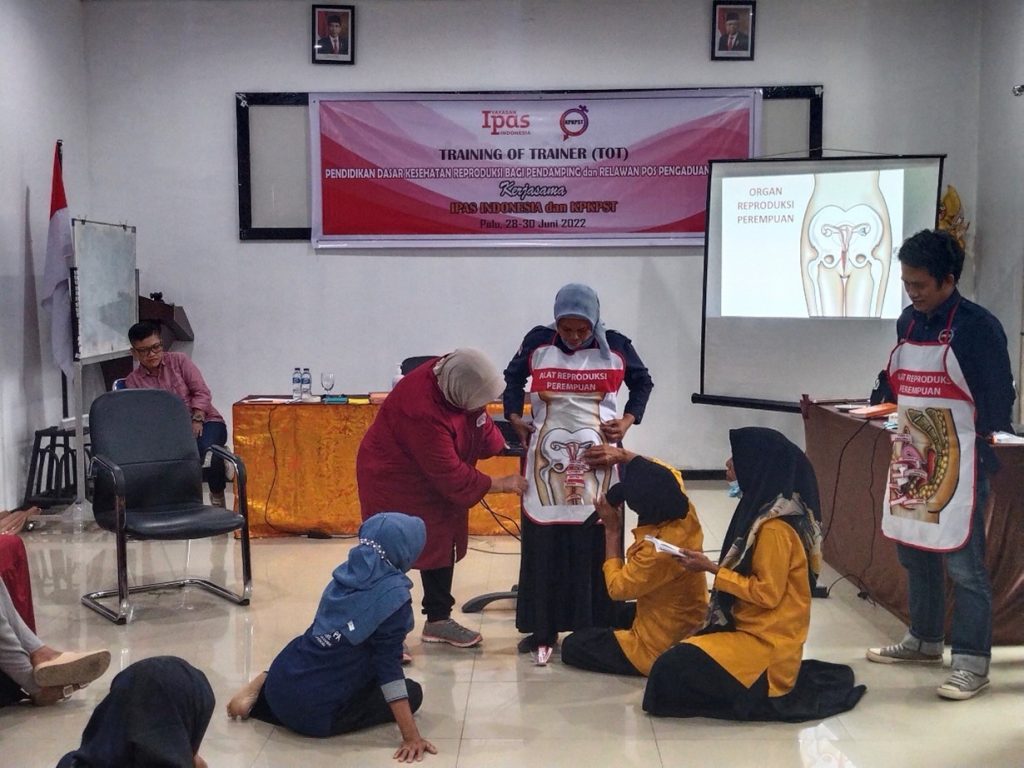
IPAS Indonesia Foundation held a midterm review on February 10-14, 2025 in Bogor Regency, West Java. The purpose of this activity was to reflect on the extent of IPAS Indonesia’s achievements in realizing Reproductive Justice. In addition, this moment was also used to learn lessons and plan activities for the next semester.
In the period July-December 2024, here are seven achievements of IPAS Indonesia Foundation:
- The launch of the ARUNIKA (Empowered Women for a Violence-Free Indonesia) project in Semarang City, Central Java and the CERAH (Climate Emergency, Reproductive Healths and Rights) project in Palu, Central Sulawesi, in November 2024.
- Three clinical and 22 non-clinical activities. One significant activity was the Mini Festival of Reproductive Justice conducted in Jakarta in September 2024. This activity was attended by 121 people from various backgrounds including health workers, gender observers, and students.
- Through dialog and discussion activities, a total of 491 people (384 women and 107 men) received information related to reproductive health, especially on the topics of gender, family planning and Post Abortion Care.
- Through the TAKENUSA (Tekad Bersama untuk Perempuan Nusa Tenggara) project, 7,868 women and adolescent girls in East Nusa Tenggara accessed family planning services.
- A total of 25 health workers (16 doctors and 9 obstetricians and gynecologists) attended the APK training, through the TAKENUSA project.
- A total of 47 national trainers have been trained to provide APK training to health workers. This activity was conducted in Yogyakarta
- A new project, ARUMBAE (Women Able and Empowered to be Free from Violence) starting in December 2024 to expand access to health in Maluku.
“This achievement cannot be achieved without support, especially support from the government, civil society groups, and the spirit of women and adolescent girls who are a key part of Partners for Reproductive Justice,” said Executive Director of IPAS Indonesia, Dr. Marcia Soumokil, MPH.
She added that this achievement is a motivation to continue expanding the impact for women in Indonesia. Even so, she emphasized, there are many lessons learned from what has been done during the semester.
One of them is about a project related to climate crisis, reproductive health and gender justice, which is carried out in Central Sulawesi because this is indeed a new project for IPAS Indonesia. Therefore, we are always open to learning and collaborating in relation to these three topics,” she added.
“We need partners who have expertise in this field and can work together. This is important because climate issues really affect access to reproductive health, especially in coastal areas of Indonesia such as Central Sulawesi,” he said.
She added that with new issues and much to be achieved for Reproductive Justice in Indonesia, the mental health of staff needs to be considered. Based on research, workers in social issues are more prone to stress.
“Therefore, in this semester review we held a first aid workshop on psychological injuries to equip staff to be more aware of their psychological conditions and if they need help, they know where to access it,” he concluded.