May 2025 became an important milestone for Sukoharjo District with the establishment of the Regional Technical Implementation Unit for the Protection of Women and Children (UPTD PPA). This establishment is a mandate from Law No. 12 of 2022 on the Crime of Sexual Violence (TPKS Law), which requires each region to have a UPTD no later than three years after the law was passed in May 2022.
Once the UPTD is established, the next important task is to ensure that the services provided are truly in favor of victims in accordance with the mandate of the TPKS Law. This is where the role of Standard Operating Procedures (SOPs) becomes crucial.
Through the ARUNIKA (Women Empowered for a Violence-Free Indonesia) project in Central Java, IPAS Indonesia partners with various parties to realize quality sexual and gender-based violence (GBV) services. One of the efforts is to strengthen support from local governments so that the available GBV services are in accordance with the needs and rights of victims.
The UPTD PPA's duties in handling cases of violence mentioned in the TPKS Law:

1. Receive reports or outreach to victims,
2. Provide information about Victim's Rights,
3. Facilitate the provision of health services;
4. Facilitate the provision of psychological strengthening services,
5. Facilitating the provision of psychosocial services, social rehabilitation, social empowerment, and social reintegration,
6. Providing legal services,
7. Identifying economic empowerment needs,
8. Identifying temporary shelter needs for Victims and Victims' Families that need to be met immediately,
9. Facilitating the needs of Victims with Disabilities,
10. Coordinate and cooperate on the fulfillment of Victims' Rights with other institutions,
11. Monitor the fulfillment of Victims' Rights by law enforcement officials during the judicial process.
In Sukoharjo District, Yayasan Solidaritas Perempuan untuk Kemanusiaan dan Hak Asasi Manusia (SPEK-HAM) has long coordinated and cooperated with the Office of Women’s Empowerment and Child Protection in handling and building efforts for violence prevention, even before the UPTD PPA was established in 2025. Since SPEK-HAM became one of IPAS Indonesia Foundation’s partners through the ARUNIKA project in November 2024, this collaboration has solidified, marking an important step in strengthening women and child protection services.
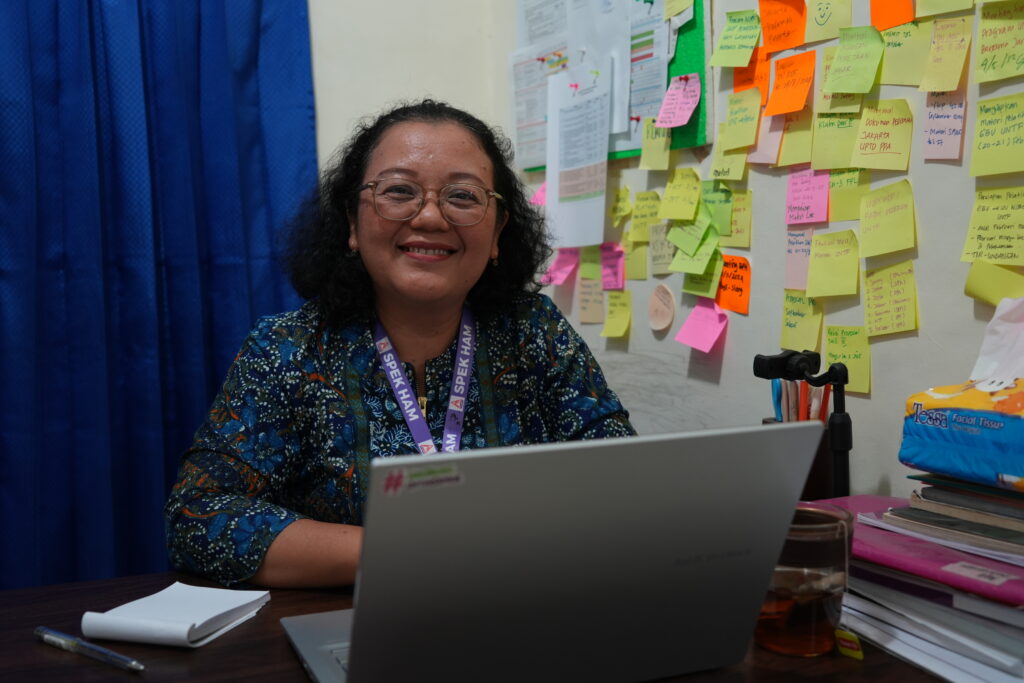
At the beginning of the UPTD PPA’s establishment in Sukoharjo District, the institution already had one SOP for services for violence. SPEK-HAM Director Rahayu Purwaningsih, also known as Ayu, said that the SOP was a macro management SOP or still general, not specifically outlining the duties of the UPTD PPA as written in the TPKS Law.
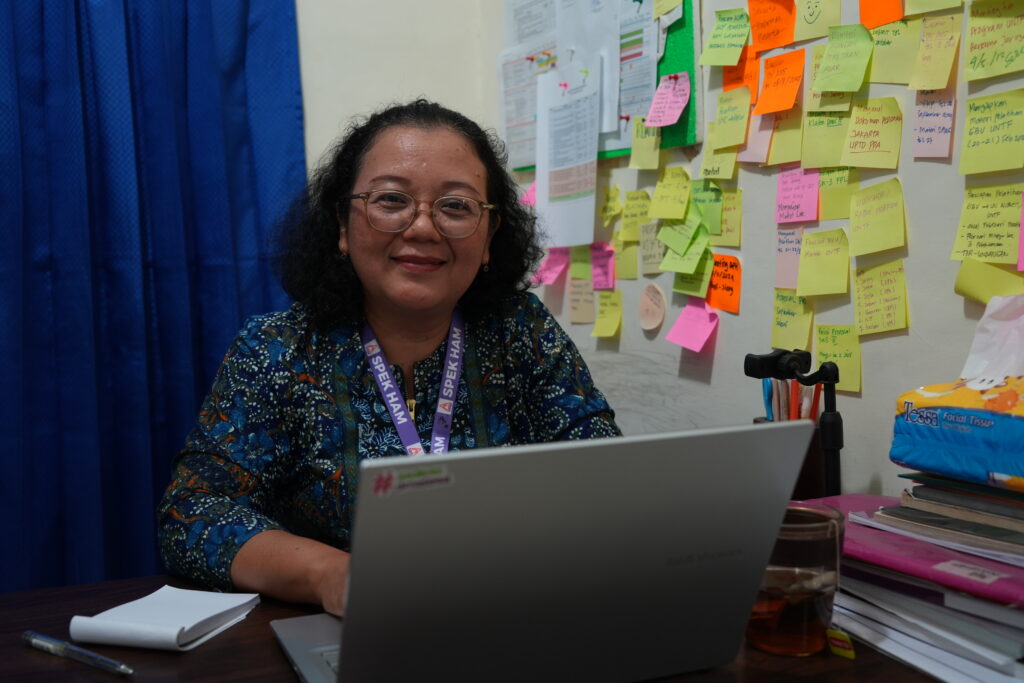
Through the ARUNIKA project, SPEK-HAM intensely coordinated with the Sukoharjo district government to strengthen the UPTD PPA’s institutionalization. From the discussion process involving networks and organizations working on Reproductive Health and Handling Violence against Women and Children, there was a need to detail the SOPs in accordance with the mandate of the UPTD PPA (see box above). However, it was not possible to work on 11 SOPs in one year, so it was agreed in a participatory manner with UPTD PPA to focus on eight priority SOPs (see box below).
“The selection of the eight SOPs are SOPs that are considered priorities and this was agreed upon in a participatory manner with the UPTD PPA, meaning that out of 11 we determined first. Then the drafting was not only a discussion between SPEK-HAM and the UPTD, but involved several organizations, civil society including disability organizations, then there are also legal aid agencies and child assistance agencies that usually provide case assistance,” Ayu added.
A two-month process that resulted in eight SOPs
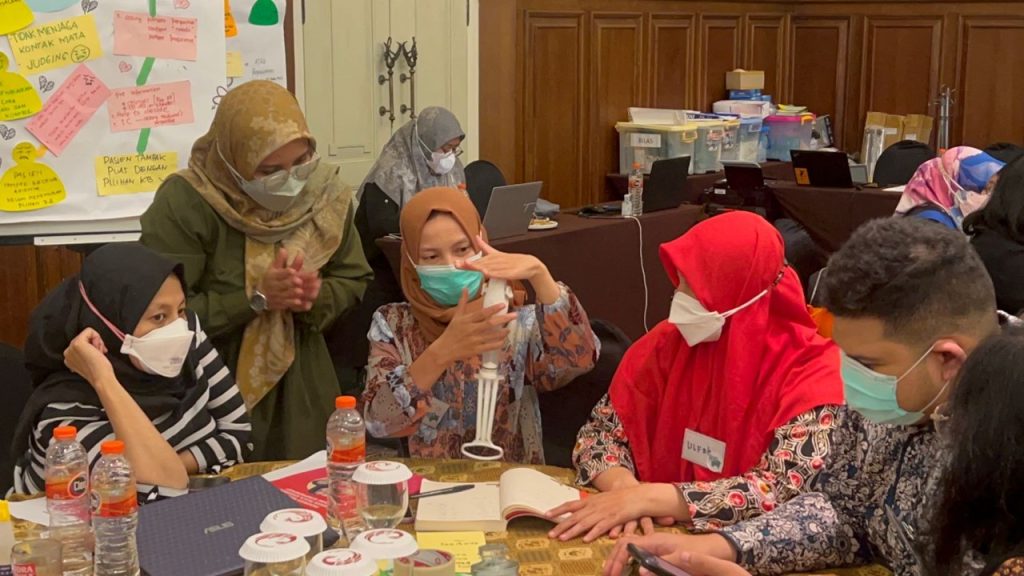
The process of developing the SOP started with a hearing, followed by informal discussions, and three joint workshops. Challenges certainly existed because the more parties involved, the more diverse the perspectives that had to be brought together. However, this collaborative approach became the main strength in producing an inclusive and applicable SOP.
SOPs that have been issued by UPTD PPA Sukoharjo Regency:

1. Macro Management SOP
2. Community Complaint SOP
3. Victim Outreach SOP
4. Case Management SOP
5. Temporary Shelter SOP
6. Mediation SOP
7. Victim Assistance SOP
8. Coordination and Referral/Cooperation SOP
“In Sukoharjo, we proposed to the Women’s Empowerment Office and UPTD-PPA to involve the Health Office, then the Regional General Hospital, then the Population Control and Family Planning Office and UPTD PPA itself, NGOs (community social organizations), and hospitals. We involved these institutions to ensure that the development of SOPs is done in a participatory manner, based on experience in handling cases,” she said.
“So, indeed the more heads, the more difficult it is. However, how can this SOP be participatory in describing in general the stages of handling violence that should be carried out by UPTD PPA,” Ayu emphasized.
Challenges in SOP Implementation
Emira Salim, S.Psi, a counselor at the UPTD PPA, said that the implementation of the SOP has begun, although it has not been entirely smooth. Cross-sector coordination is still a challenge, especially in equalizing understanding and goals between institutions.
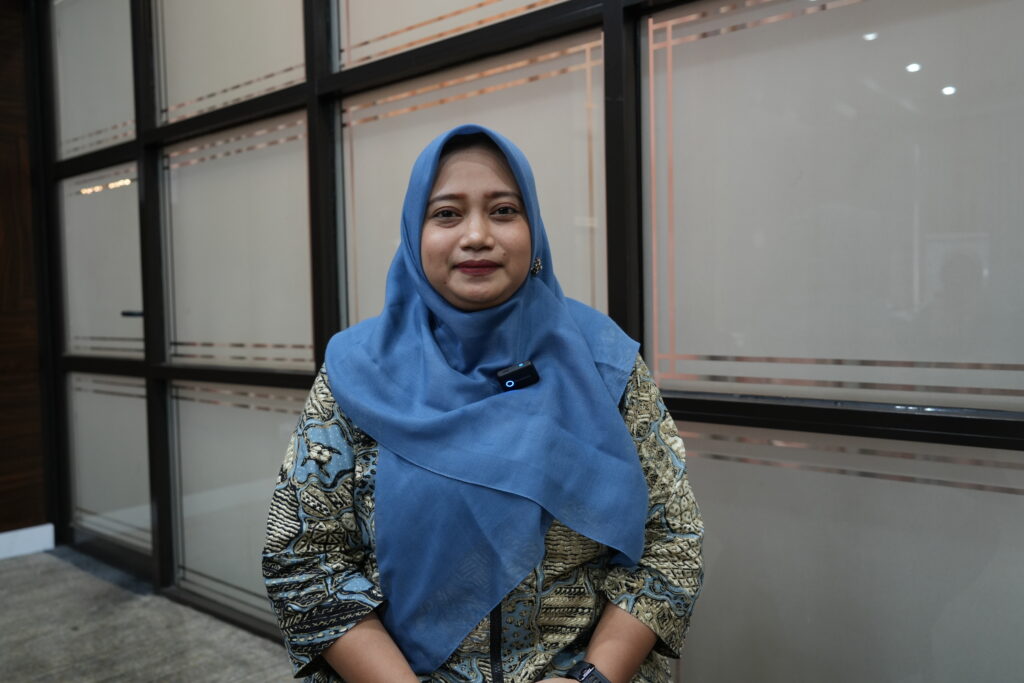
“Maybe the challenge is coordinating. Coordinating is definitely a challenge. So the challenge is that maybe with the relevant cross-sectors, maybe we still need a common understanding, so that we can go towards the same goal,” he added.
In addition, limited human resources are also a challenge. Currently, the UPTD PPA Sukoharjo only has four staff, who also double up at the Sukoharjo Office of Population Control and Family Planning, Women’s Empowerment and Child Protection.
Even so, this initial step shows a strong commitment from the local government to build a service system that is responsive to victims of violence. The development of SOPs is not just an administrative document, but an important foundation towards services that favor victims in accordance with the mandate of the TPKS Law.