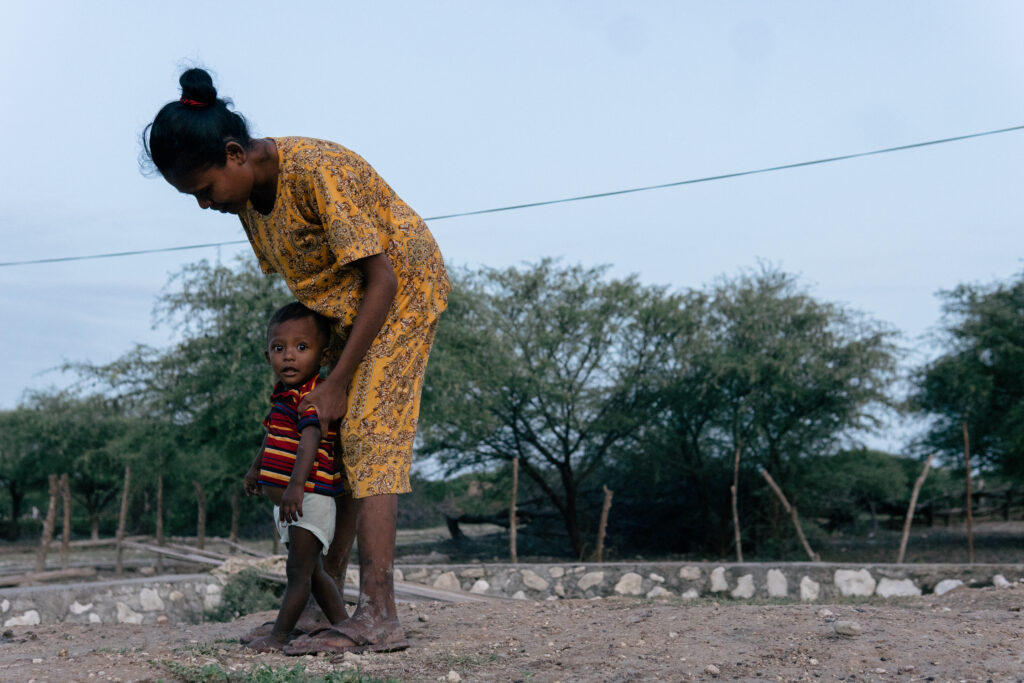
In a village in East Nusa Tenggara, Indonesia, 27-year-old Mama Odiana Nuban was surprised to learn that she was pregnant again just five months after giving birth to her first child. The pregnancy was unplanned as she had to wait for approval from her husband to use contraception. When the decision was finally made, it was too late.
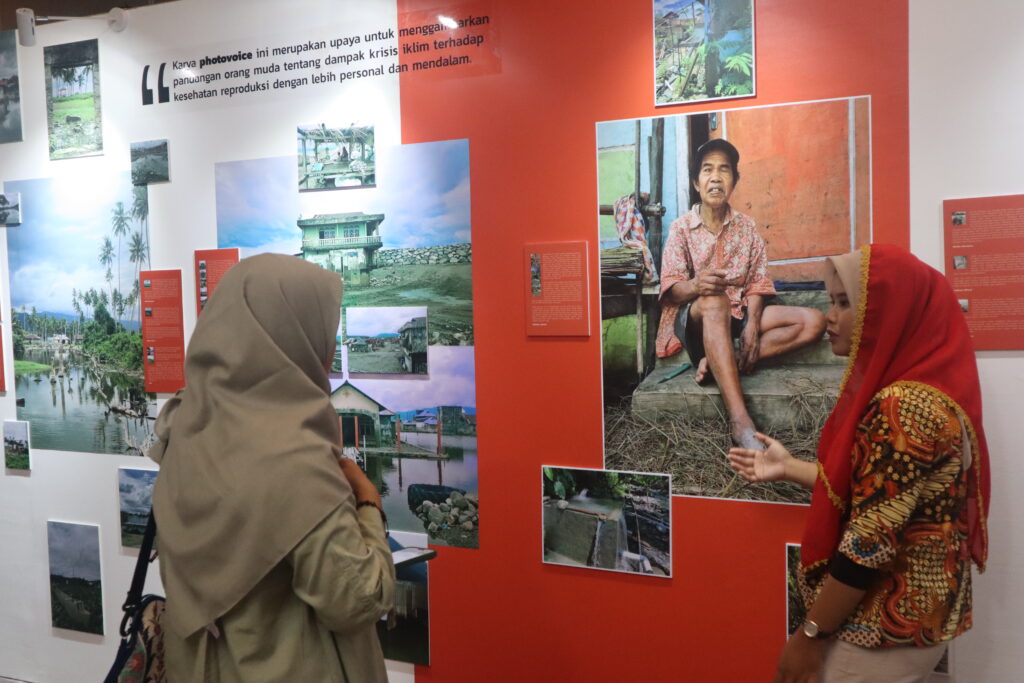
Mama Odiana’s story is not unique. In many parts of eastern Indonesia, strong patriarchal norms mean that women must seek permission from their husbands, sometimes even from their in-laws, before accessing reproductive health services. This pattern was also found in the initial assessment of IPAS Indonesia conducted in 2023.
These cultural dynamics contribute greatly to the high unmet need for family planning in Indonesia. Based on data from the National Population and Family Planning Agency (BKKBN), the unmet need rate
“I want to use contraception,” Mama Odiana said, “but I’m waiting [for my husband’s decision]. I thought I could start when my baby was six months old. But I was already pregnant again when he was only five months old.”
To address this challenge, IPAS Indonesia Foundation launched the TAKENUSA (Joint Commitment for Nusa Tenggara Women) Project in 2023. This initiative focuses on expanding access to reproductive health such as family planning in rural areas in three districts in East Nusa Tenggara Province.
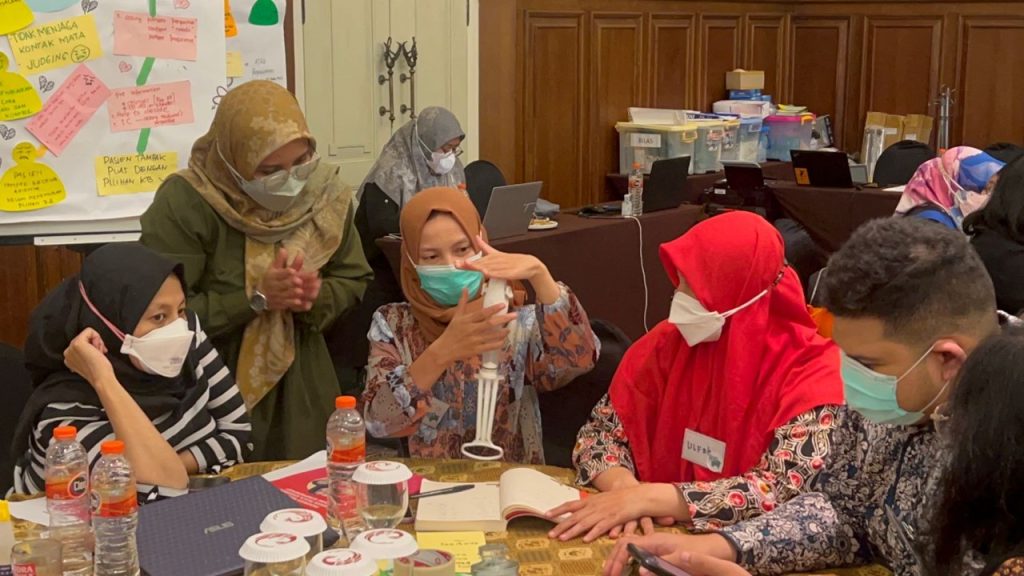
Through a series of community dialogues led by trained community health cadres, TAKENUSA facilitates groups of men to learn about family planning, ask questions, and reflect on their role in supporting their partners’ health and choices. Since its launch, the project has facilitated discussions in 14 villages and reached more than 1,375 men. These sessions involve community leaders, religious leaders, and husbands.
Yane Beis, a cadre involved in the project, explains, “At first many men refused. They said we shouldn’t interfere in their household affairs. But we kept talking to them, reminding them that it is the woman who conceives, who feels the pain of childbirth. Eventually they listened. Many started supporting their wives to use contraception.”

Cadres discussing contraception. Photo by CIS Timor Foundation.
One such man is Papa Noh Boimau, Mama Odiana’s husband. After attending a community session, he learned about different contraceptive options and changed his views. Papa Noh heard about family planning at the Posyandu. After talking with his wife and learning more about family planning, Papa Noh decided to support his wife in using contraception to prevent unplanned pregnancies.
After attending the community session, Papa Noh reflected on the importance of shared responsibility in building a healthy family. The session helped him understand that reproductive health is not just about medicine, but also about listening, respecting each other, and making decisions together.
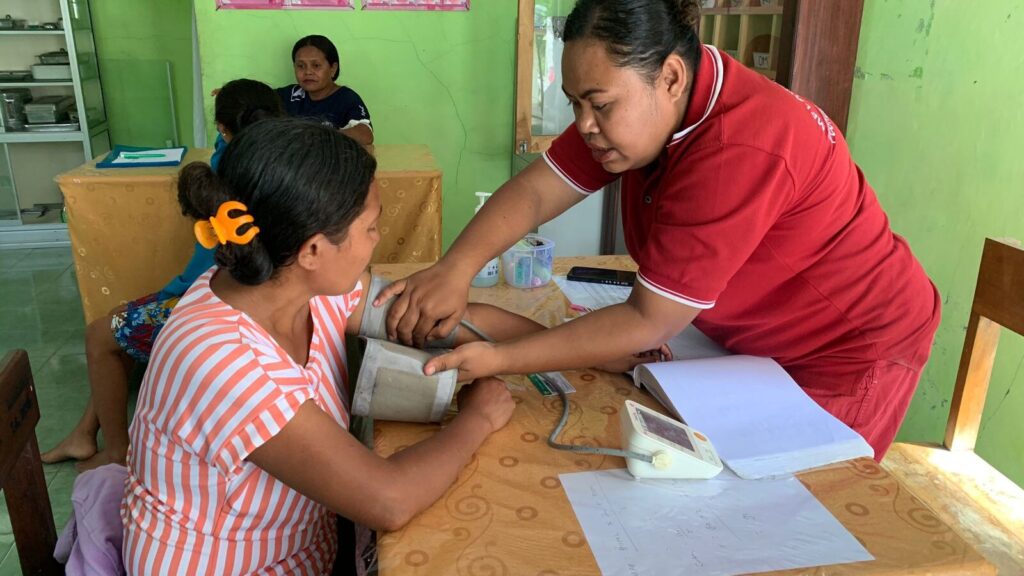
The project also works with midwives to provide high-quality family planning services. IPAS Indonesia has trained 90 midwives from December 2023 to May 2024. “We are trained from the basics of counseling, such as how to guide women until they can make their own decisions. Once they decide, then we provide the service,” said midwife Tecla.
Due to the strong patriarchal culture, she also involves the husband in counseling. This approach ensures that both partners receive accurate information and can make decisions together. “In our culture, men are often the decision-makers,” Tecla explains. “That’s why it’s important to include them in counseling, so that women don’t have to wait for permission to protect their health.”