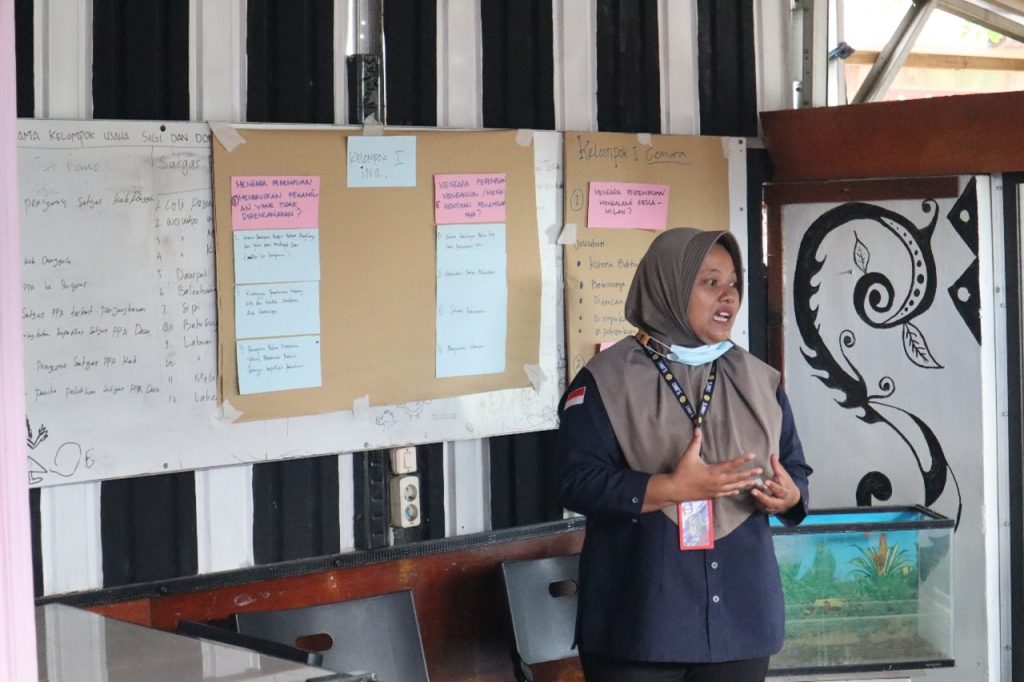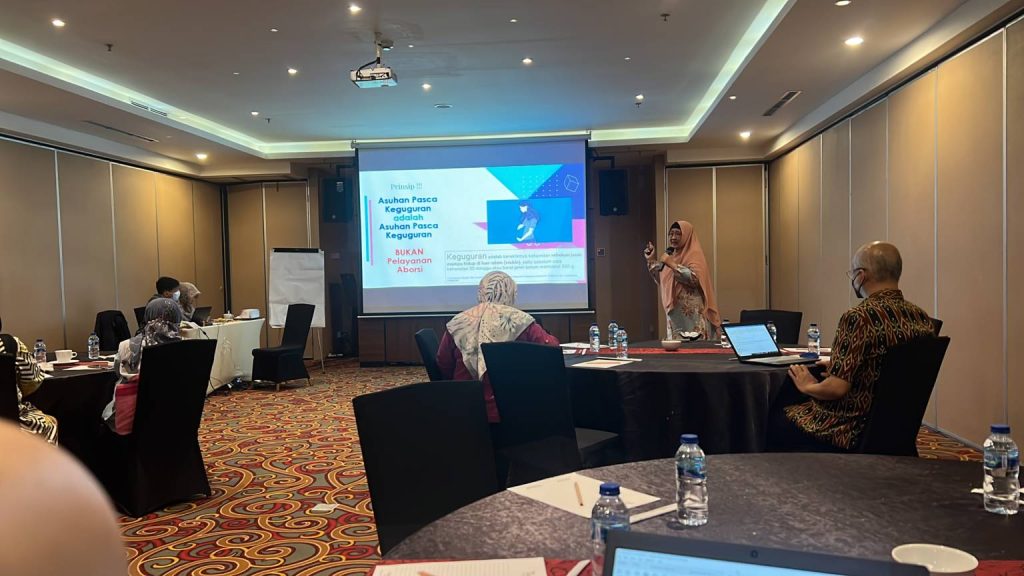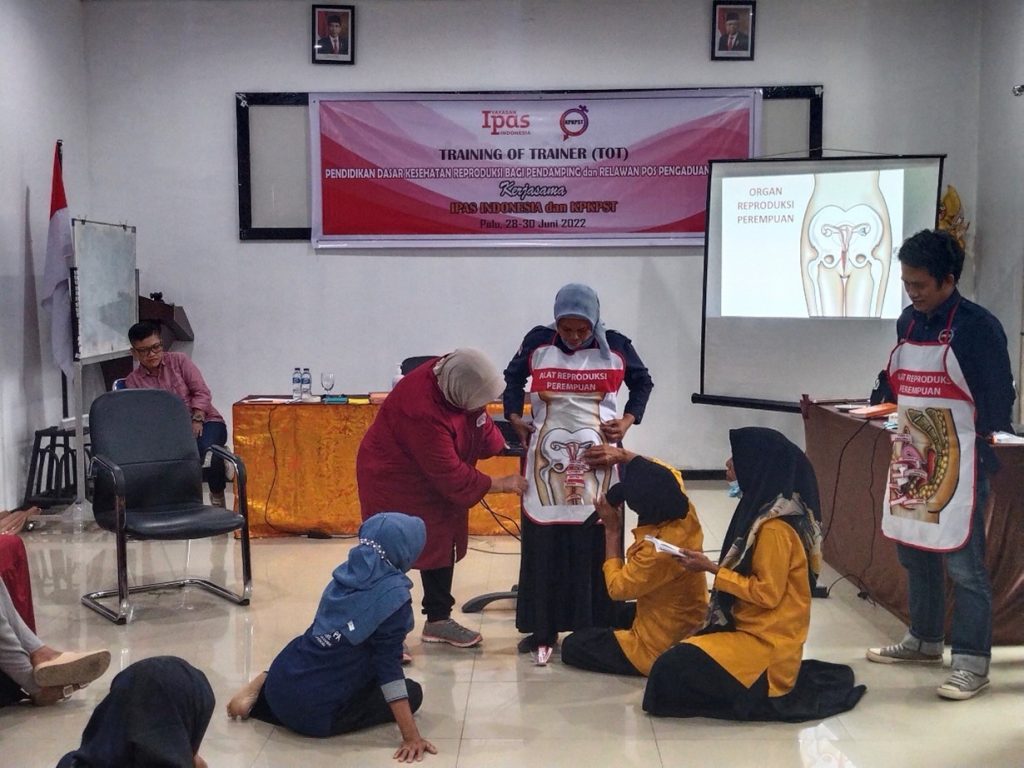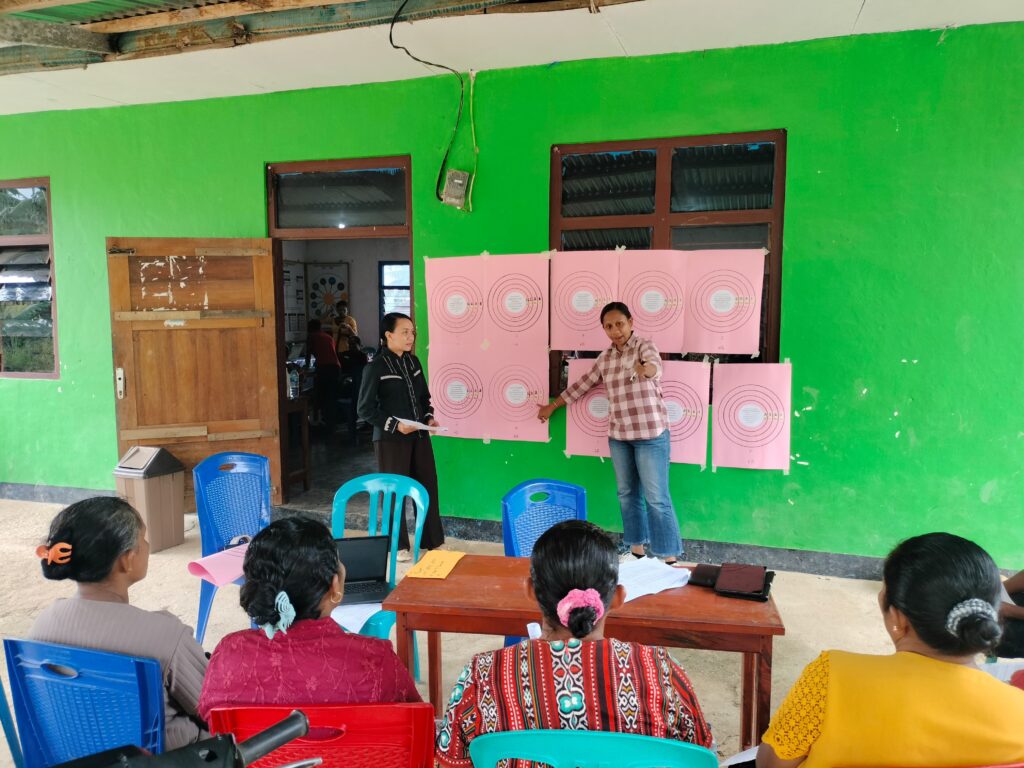
IPAS Indonesia Foundation in collaboration with CIS Timor Indonesia Foundation conducted a Feedback Mechanism (MUB) related to reproductive health services in South Central Timor District (TTS), East Nusa Tenggara Province. This MUB is part of the TAKENUSA (Joint Determination for Nusa Tenggara Women) project with the aim of improving the quality of reproductive health services.
The services focused on in this MUB are related to Family Planning (KB) and Post Abortion Care (PAC) services. Previously, IPAS Indonesia had conducted training for service providers such as midwives, doctors, and obstetricians and gynecologists for PAC services in August – September 2024. Then for family planning training for midwives was conducted in December 2023 – May 2024.
This MUB is a follow-up to see how far the community thinks after accessing the service. The input from the community is then discussed and decided together and then followed up and monitored in a mutual cooperation manner.

In TTS District, MUB was conducted in two sub-districts, Amanuban Selatan and Amanatun, inviting 27 women who accessed services related to pregnancy, childbirth and contraception within the last six months at two puskemas, namely Panite and Oinlasi.
MUB facilitator Serli Rambu Anawoli said that the topics often discussed in the activity were related to access, especially the distance from people’s homes to health facilities, due to the damaged roads.In addition, a number of communities also discussed issues related to the availability of service tools such as ultrasound equipment.
“In addition, they also complain about the quality of service of health workers, such as nurse midwives or doctors,” he added.
In general, the feedback provided by the community in both puskemas was:
- The way of communication of health workers who are still considered less friendly to patients
- The availability of drugs for miscarriage cases and the availability of contraceptives are still lacking
- Lack of information related to contraceptive types and information related to reproductive health in general
- Waiting time for services that are still considered too long
While accompanying MUB, Serli was impressed to hear about the number of mothers who struggled to give birth in health facilities. This is important because there is a local regulation that prohibits home delivery.
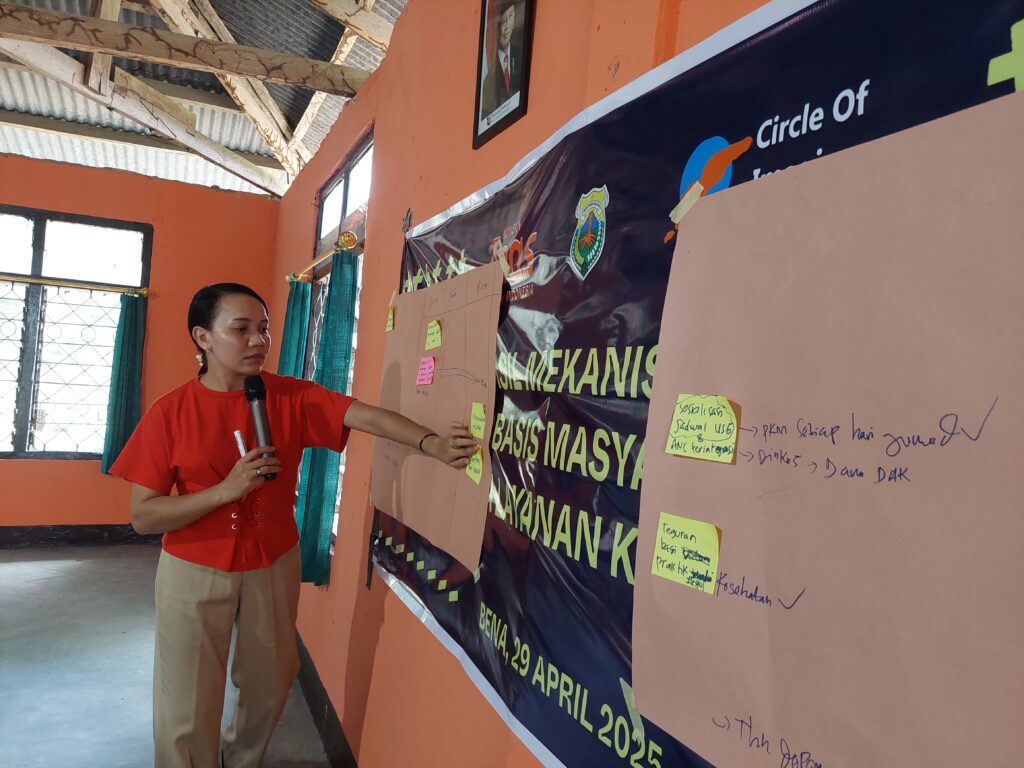
“There is a story from one of the mothers where to be able to give birth at the health facility this mother had to use a motorcycle taxi from home. Where the mother’s condition at that time was already opening two. This mother came from Lanu Village, where the distance from Lanu Village to the Oinlasi Health Center is far with difficult terrain conditions. When she arrived at the health center, she struggled with all kinds of pain to be able to give birth at the health center,” she recalled.
This MUB activity was conducted in seven phases. The first phase was planning and preparation. This was followed by in-depth discussions and interviews with women who had accessed the service. The third phase was a presentation to convey the results of the interviews and discussions. Next is the preparation of a follow-up plan related to proposals or suggestions. These phases were conducted from March to April 2025. After that, the implementation phase of the proposal. The last phase is joint monitoring and reporting.
One of the residents who was active in the MUB meeting, Mama Odiana Nuban, said that the topic she conveyed in the forum was related to contraceptive installation services at the puskesmas. According to her, the service at the puskesmas is quite good.
“[It’s just] in terms of registration, because of the usual reasons in the network, so if there are many patient services, it can be until the afternoon,” he added.
For information, the puskesmas has implemented electronic medical records. With this system, the patient registration process must use an application that requires internet access. If the condition of the internet network is not good, it hampers the registration process. That was the obstacle experienced by Mama Odiana.
Yusiani Nenosono, Head of Health Services at the TTS District Health Office, welcomed the feedback from the MUB forum. According to her, the things discussed in the MUB are part of exploring the needs of the community.
“From the Service Division, we have never conducted an evaluation with the community. So far we have only conducted evaluations with health centers by preparing health centers to be accredited. This is a lesson for us so that we can also adopt activities like this, to really get more information with the community,” Yusiani said.
In the MUB forum, Yusiani also responded to the long waiting time in the service. She promised to conduct an evaluation to improve the service.
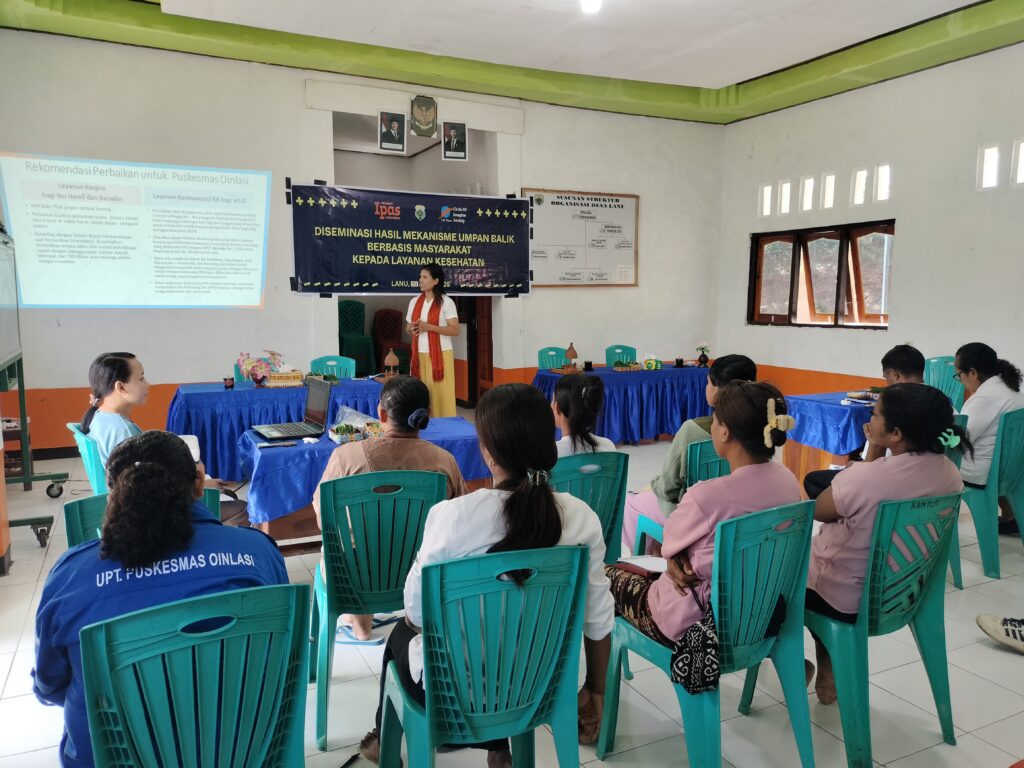
“We will conduct an evaluation so that the puskesmas does not only place one person at the poly or at the registration counter, because now the system must use the electronic medical record application so the process is a bit long, so later we will explain to the puskesmas to add staff in these parts,” he explained.
In this MUB process, the community is expected not only to be a service accessor, but also to play an active role in providing input on available services. This process opens a space for dialog between the community and service providers, so that the real needs in the field can be better identified.
The hope is that the synergy between community input and capacity building of service providers will create a more effective, sustainable and locally appropriate service system.
About the TAKENUSA Project
The TAKENUSA project was launched in 2023 with working areas in TTS, Kupang and East Flores districts. The project aims to reduce maternal mortality in NTT through strengthening comprehensive Post Abortion Care services. In addition, TAKENUSA is also expected to improve contraceptive services.