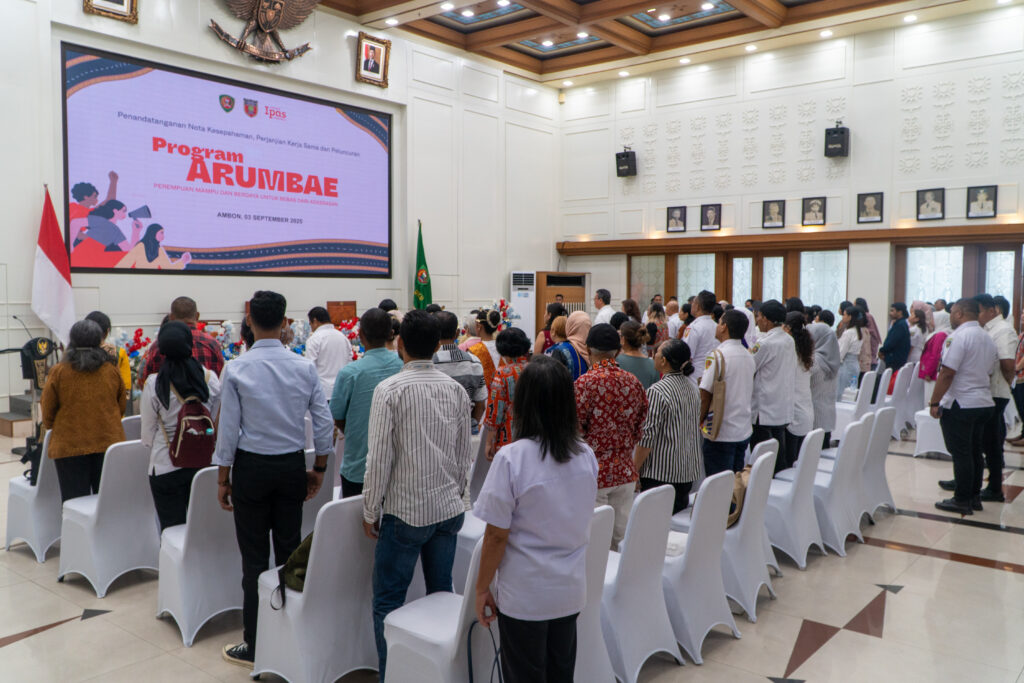
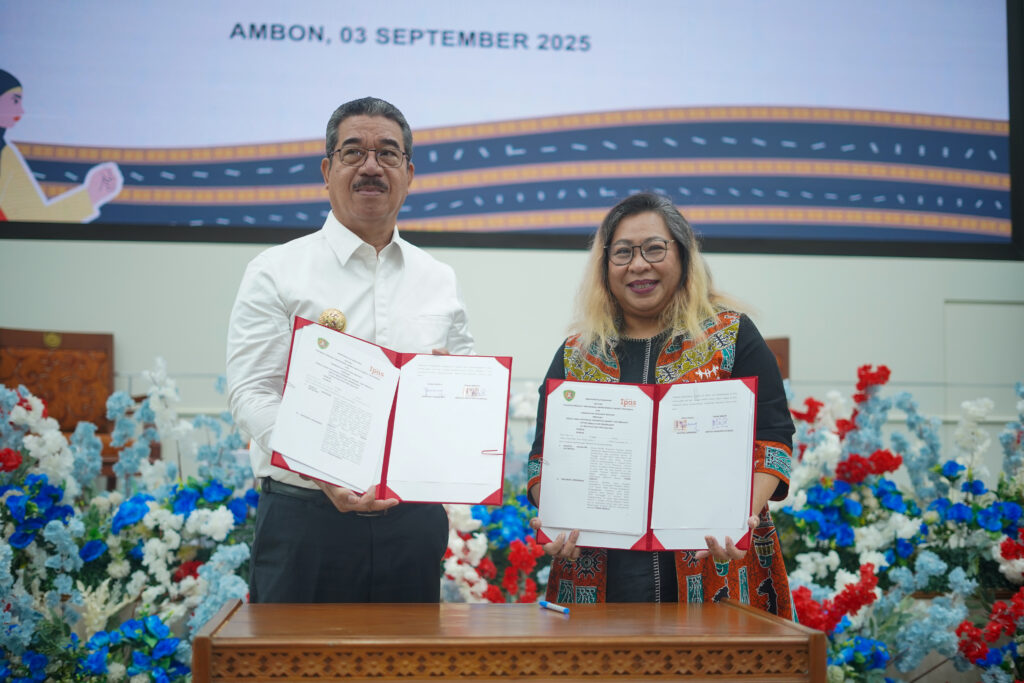
Ambon, September 3, 2025 – IPAS Indonesia Foundation officially launched the ARUMBAE (Women Able and Empowered to be Free from Violence) project in Maluku Province. The project aims to strengthen the system for handling cases of violence against women and children, especially in island areas that face geographical challenges in accessing services.
According to data from the Gender and Child Information System (SIGA) of the Ministry of Women’s Empowerment and Child Protection (KemenPPA), there were 502 cases of violence against women and children in Maluku throughout 2024, with 186 of these cases being sexual violence. Nationally, the Indonesian Women’s Life Experience Survey 2024 shows that 1 in 4 women have experienced violence, including sexual violence, in their lifetime.
This high rate of violence is an urgent call to implement the mandate of Law No. 12 of 2022 on the Crime of Sexual Violence (TPKS), which affirms victims’ rights to handling, protection and recovery.
Collaboration for Change
The Governor of Maluku Province, Hendrik Lewerissa, welcomed the launch of ARUMBAE as a form of strategic collaboration in strengthening an integrated service system. He expressed his hope that this program would become an example of good practice in handling violence in the islands.
“I hope this collaboration through the ARUMBAE program can be a lesson and an example of how services for victims of violence against women and children can be carried out effectively in the islands,” said Governor Hendrik.
A Contextualized Approach for the Islands Region
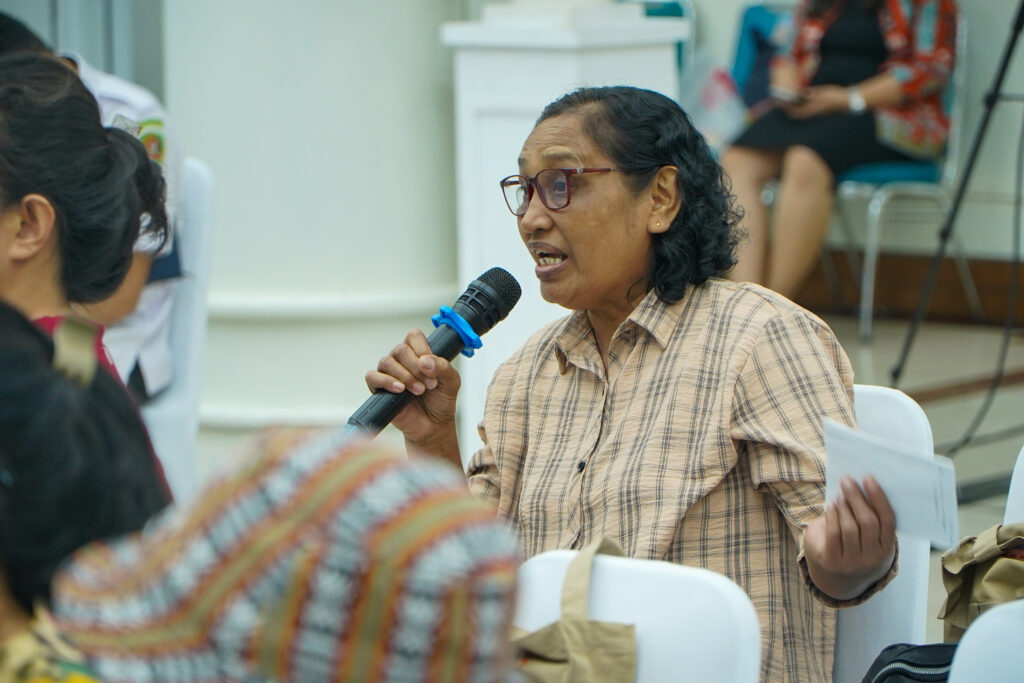
The ARUMBAE program will run for three years, covering Maluku Province and Central Maluku District. The program involves a wide range of stakeholders, including local government, service providers, local organizations and communities.
The Executive Director of IPAS Indonesia Foundation, Dr. Marcia Soumokil, MPH, emphasized the importance of a local context-based approach in strengthening service systems.
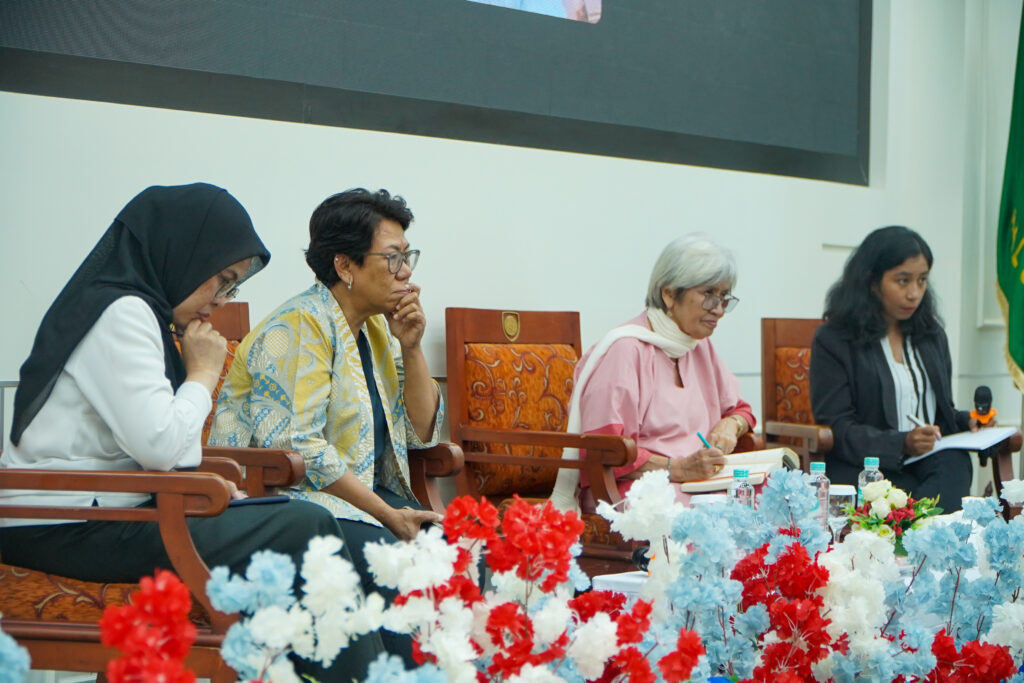
“As written in the TPKS Law, access to health services is closely related to victims’ rights to treatment, protection, and recovery, starting from the initial stage to the complete recovery process,” explained Dr. Marcia.
She also highlighted the geographical challenges faced by women and children in the islands in accessing services, making locally appropriate approaches essential.
Strengthening Community-Based Services
In addition to strengthening formal services, ARUMBAE will also work with local organizations and communities to build community-based services. The aim is to ensure that every woman and child who is a victim of violence gets the support and protection they deserve, wherever they are.