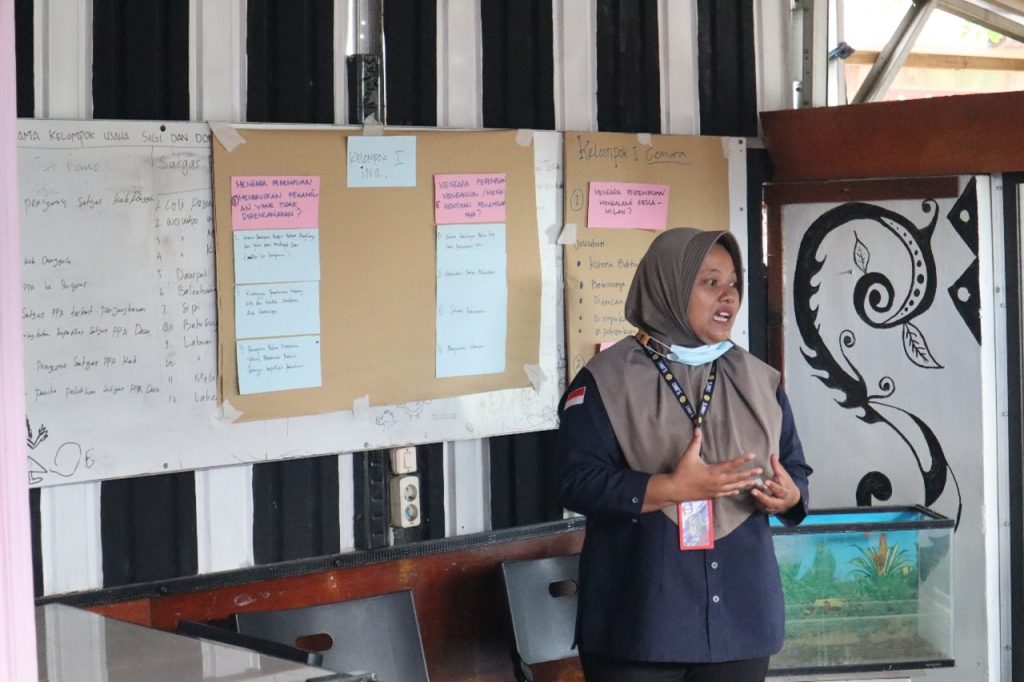
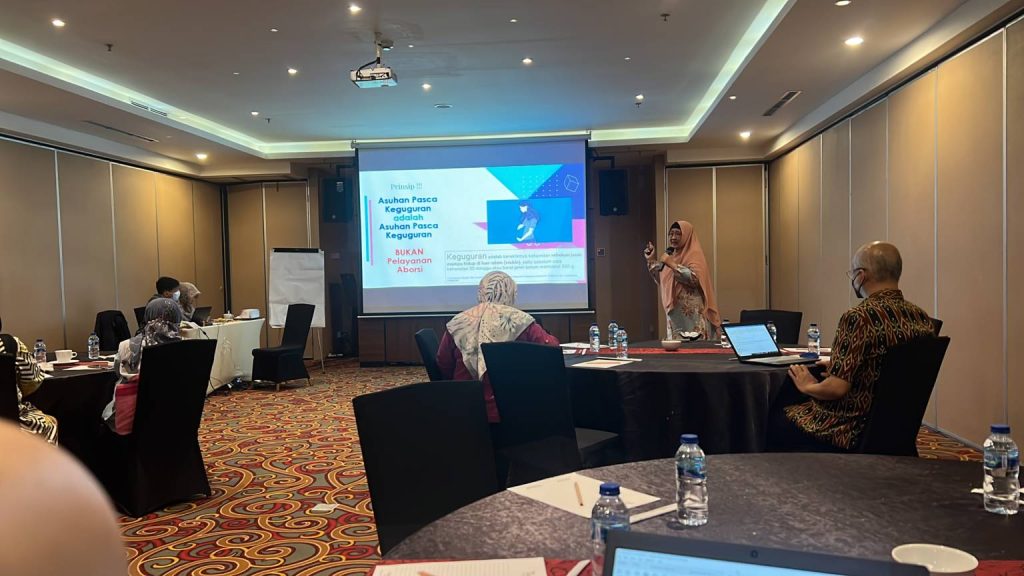
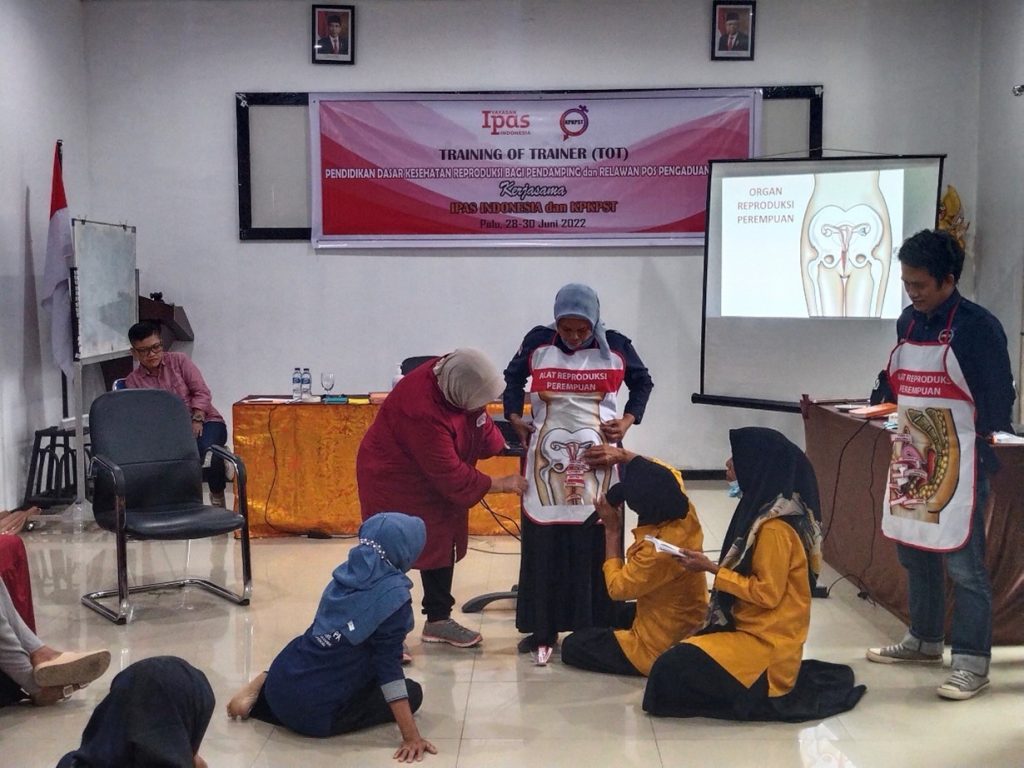
For three full days, from October 22 to 24, 2025, 100 Community Health Workers (CHW) from four villages in South Central Timor District (TTS), East Nusa Tenggara, gathered in Niki-niki for a jamboree. This activity is not just a meeting, but a living space to share experiences, strengthen capacity, and celebrate the cadres’ struggles in expanding access to reproductive health services in their communities.
The jamboree was part of the TAKENUSA (Tekad Bersama untuk Kesehatan Perempuan Nusa Tenggara) project, initiated by IPAS Indonesia and partner Yayasan CIS Timor. Since its launch in 2023, the project has focused on improving access to two crucial issues in reproductive health: contraceptive services and Post Abortion Care.
Through interactive discussion sessions and inspirational talk shows, the CHW shared real stories of their struggles, from facing social stigma, building trust amidst a strong patriarchal culture, to encouraging youth groups.

From Home to Worship
Mama Marselina Meli, a CHW and church councilor, shares her unique approach to delivering information about family planning. She utilizes moments of togetherness at church to have a casual dialogue with the congregation.
“To approach the community, I am a church councilor, sometimes while leading worship, while waiting for other congregations, we tell each other stories. After that they asked about family planning,” she recalls.
With an economic perspective, Mama Meli explained the importance of family planning in the midst of rising prices of basic needs and limited income in the village.
“Meanwhile, the needs of children are increasingly demanding, let alone the needs of children, the needs in the household for food have increased,” he said.
Challenges from within the home

For Mama Meriani Tefnai, the biggest challenge came from her own home. She faced comments from her husband regarding her domestic role when she started to be active as a CHW.
“The challenge comes from within. So this is a lesson learned, when we recruit CHW, if the cadre is a woman, we also have to approach her husband. It’s good if the husband is understanding, if the husband is jealous, then we are troubled,” she said.
Engaging with Youth Groups
Not only adult women, the CHW also target adolescent groups, both girls and boys, who still lack knowledge about reproductive health. The issue of unplanned pregnancies and child marriage is a major concern.
Nondi Lopo CHW from Lanu Village highlighted the importance of village government support in organizing regular socialization.
“Usually, every three months there is reproductive health counseling for teenagers at school. Then there is also counseling from posyandu CHW every month at their respective posts,” she said.

As a teacher, Nondi also makes school a strategic space for education. “So for the children who are there every day I am with them and continue to always remind them and even then I often consult with the principal of all the existing teachers for after learning,” she said.
The jamboree became a safe space to strengthen each other, learn from experience, and build solidarity across villages. In the midst of a strong patriarchal culture, the CHW showed that change can start from small spaces, from homes, churches, schools, to posyandu.