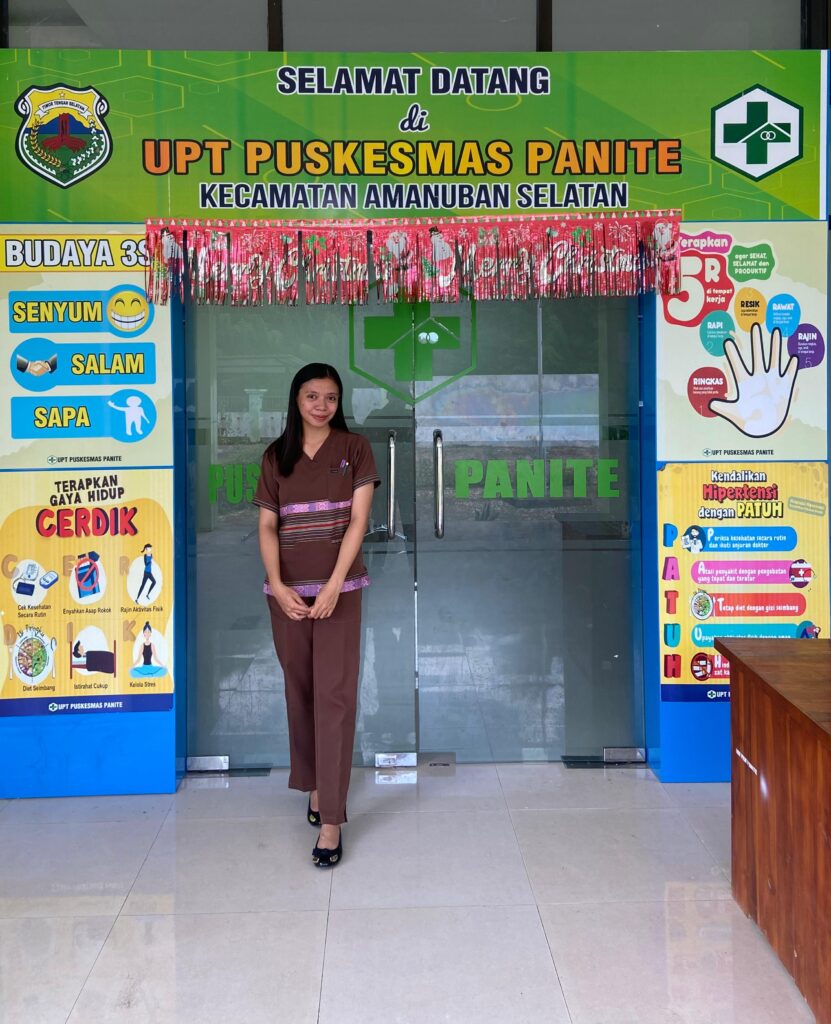
Challenging geographical conditions accompanied by low community knowledge exacerbate the miscarriage situation in South Central Timor District (TTS). Doctor Kristina Lawung said there were three miscarriage patients who came to her health center in the period August 2024 to February 2025. All of these patients were referred to the hospital.
Referral, he emphasized, is not an easy thing. Sometimes many patients are referred because their condition is getting worse. “Sometimes patients come with bleeding from the night, but are only brought to the puskesmas the next day,” said Doctor Kristina.
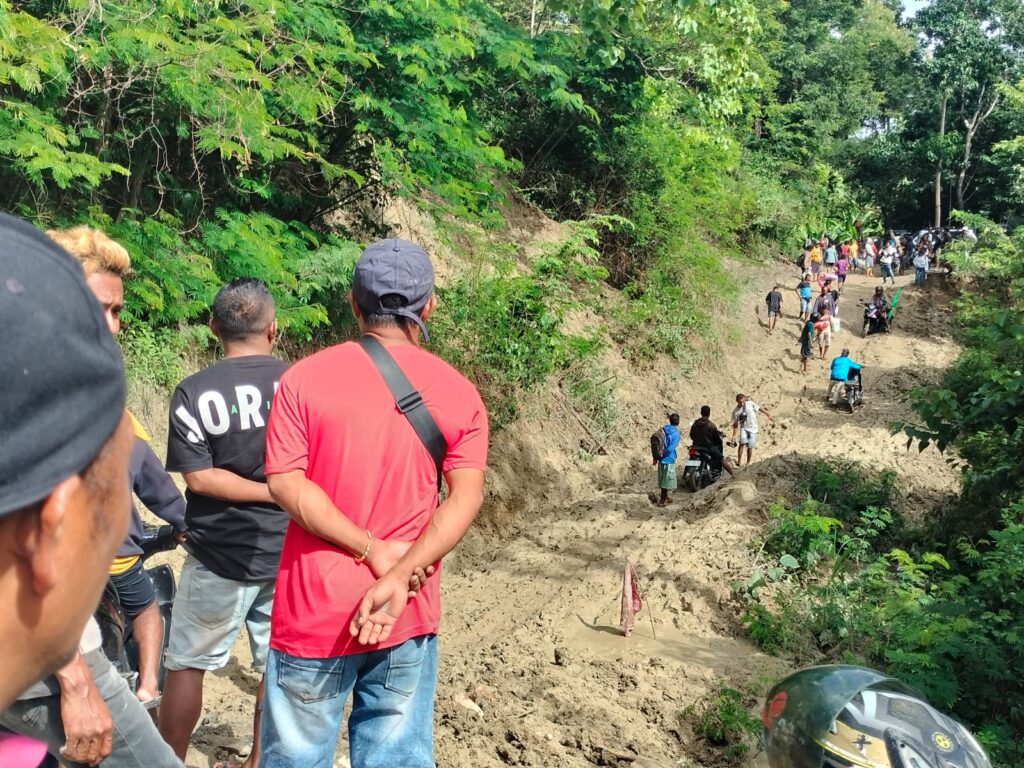
This is not without reason. The road access conditions in the villages in TTS are not as smooth as the asphalt roads in Jakarta. “Because of the difficult road access conditions, patients often come with bleeding conditions, so usually specialists ask to be immediately referred to the RSUD,” he added.
The problems do not end there. Cost considerations put patients in a dilemma. “Because if when referred and from the results of the examination it is stated that they must be hospitalized in [a hospital] in the city, this often makes families burdened with costs,” he said.
The patient’s family often takes a long time to decide. Often they end up refusing to be referred.
Pick up the ball and socialize about signs of miscarriage
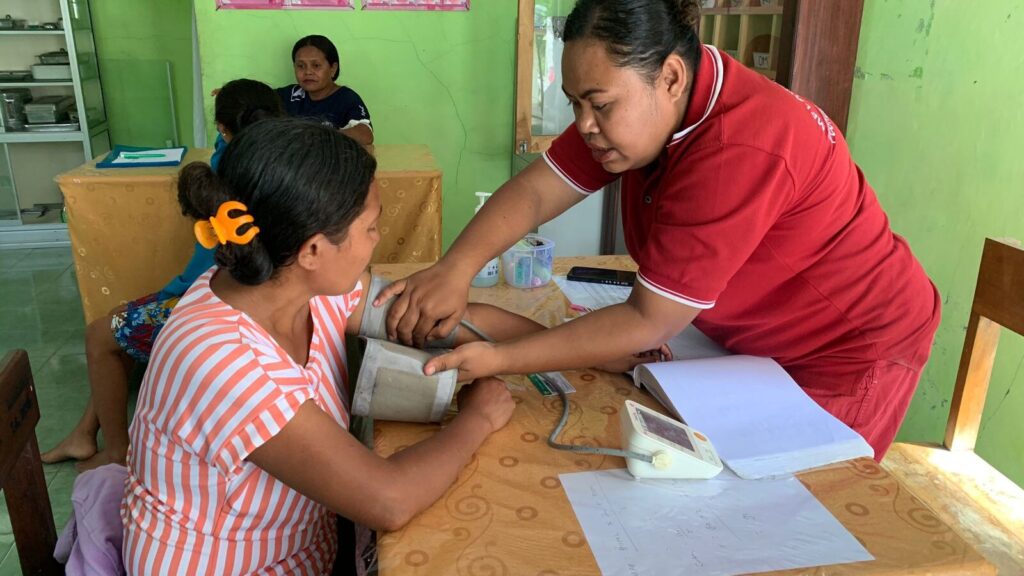
Despite limited access, midwife Yane Amalo never stops educating pregnant women through posyandu activities in her village, Bena. In addition to midwives, there are also cadres who socialize related to pregnancy danger signs and signs of miscarriage.
“We have often informed them that if there are danger signs such as spots or blood coming out of the birth canal, they must be immediately taken to the Puskesmas,” said Midwife Yane.
He also often visits the homes of patients who have been hospitalized.
Miscarriage rate in TTS is high
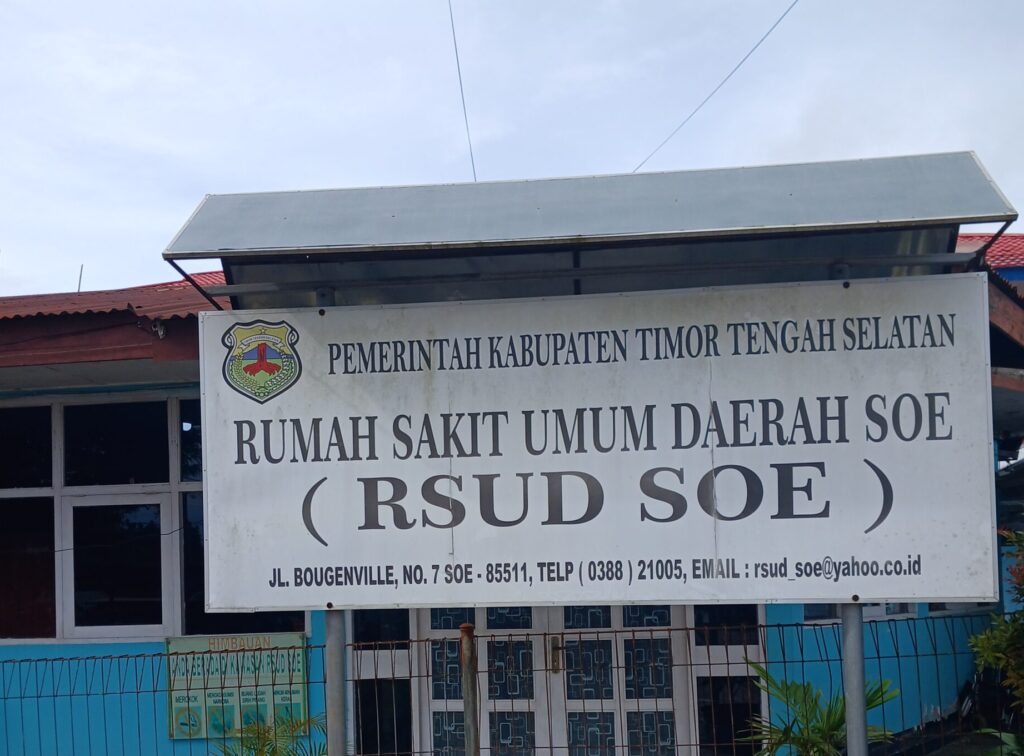
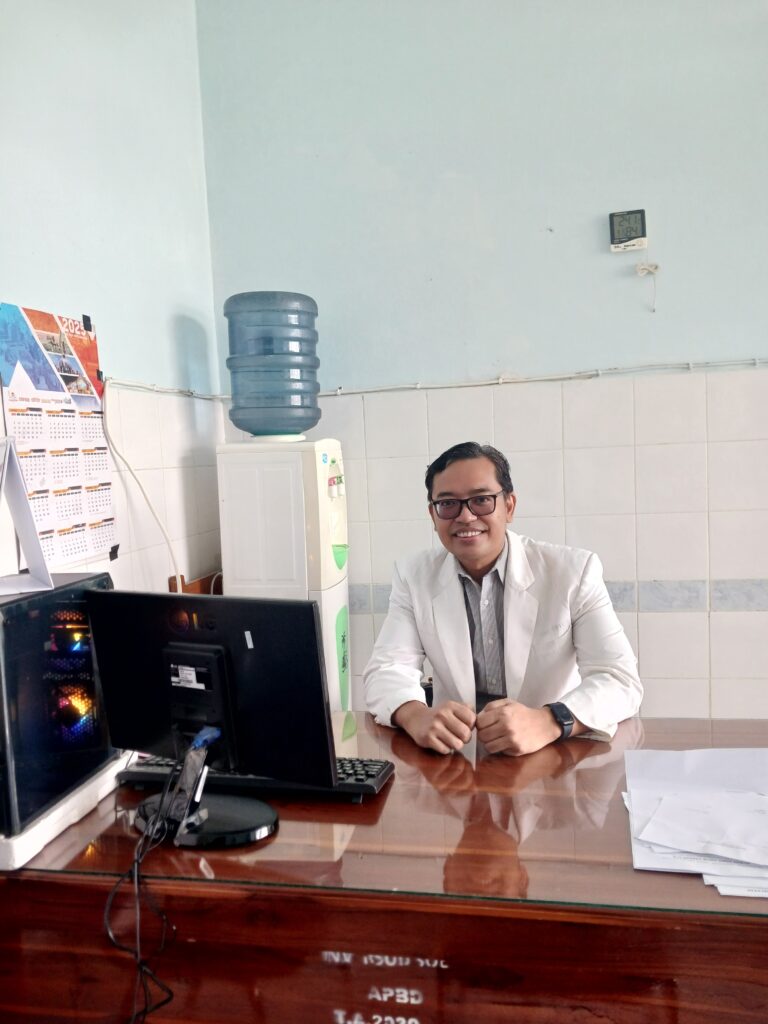
Gynecology and Obstetrics Specialist Edward Manurung or often called Doctor Edo said, miscarriage is in the top 10 list of health cases at RSUD Soe. On average every week there are two or three cases handled.
“Most of the miscarriage cases handled here are incomplete abortus, which means that some of the tissue has come out of the uterus, either at home or at the puskesmas, then referred to the hospital in a bleeding condition,” he said.
She added that miscarriage patients are usually treated using sharp curettage. This method is better known by obstetricians and gynecologists.
“I am sure that almost all obstetricians who are still in the area still use sharp curettes on average, because during our education we were not introduced to AVM (Manual Vacuum Aspiration), so the average is like that,” he said.
Since 2012, the World Health Organization (WHO) has not recommended the use of sharp curettage in treating miscarriages. The alternative is to use vacuum aspiration or medication. These methods can reduce severe complications in patients.
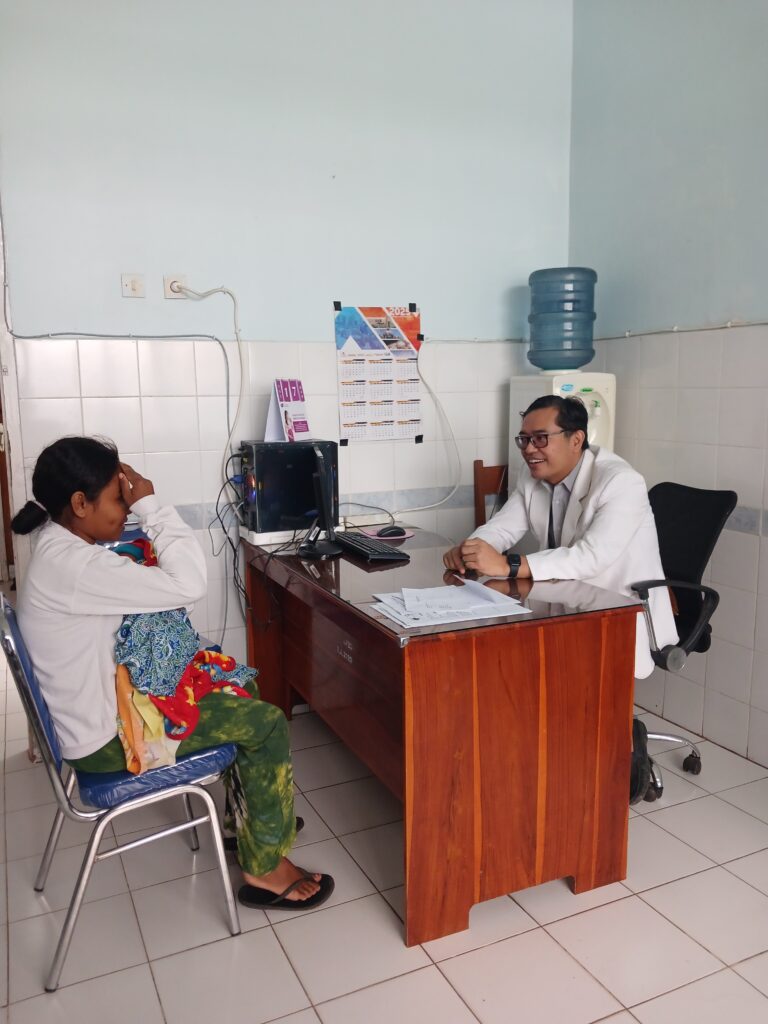
Doctor Edo does not deny that he has also started using AVM. “So far, we have assumed that AVM is not clean or AVM is not very good or complicated or troublesome to do. It turns out that after we do it ourselves, I think it is more effective, cleaner and less painful for the patient,” he said.
Even so, there are a number of obstacles faced when he uses this safer and more comfortable method for patients. “The rubber after using it for a while becomes stiff so that when it is pulled it feels harder, that’s all, other than that there are no problems,” he said.
He added that hospital management has not yet switched to using AVM. This happens because of the priorities of each hospital.
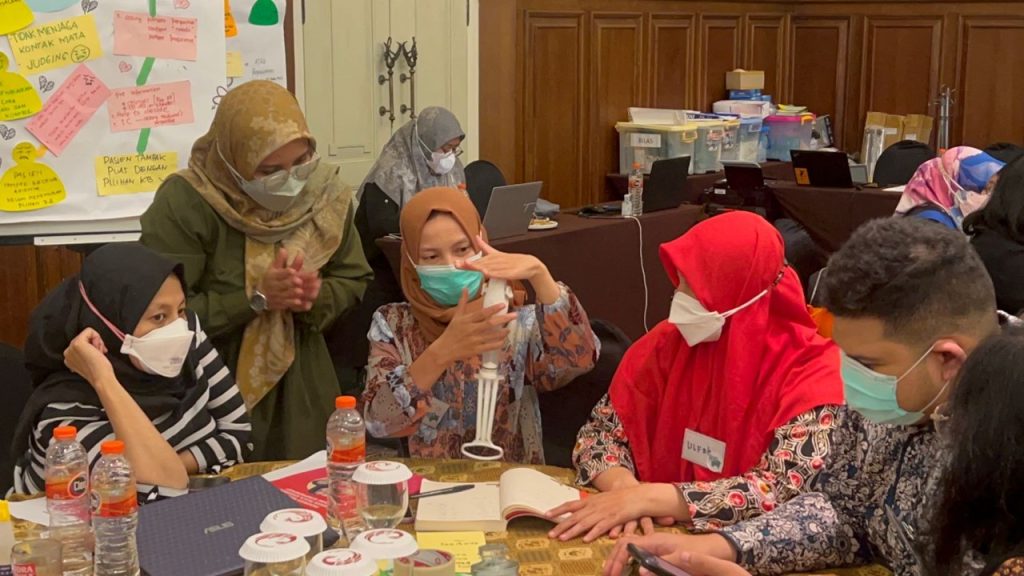
Doctor Edo was one of the participants in the Comprehensive Post Abortion Care Training in NTT to Support Early Implementation of Services in First Level Health Facilities. This training was conducted in Kupang City in August 2024.
This training is part of the TAKENUSA project (Tekad Bersama untuk Kesehatan Perempuan Nusa Tenggara). The aim of this project is to expand access to contraception and post miscarriage care in TTS, East Flores and Kupang districts.