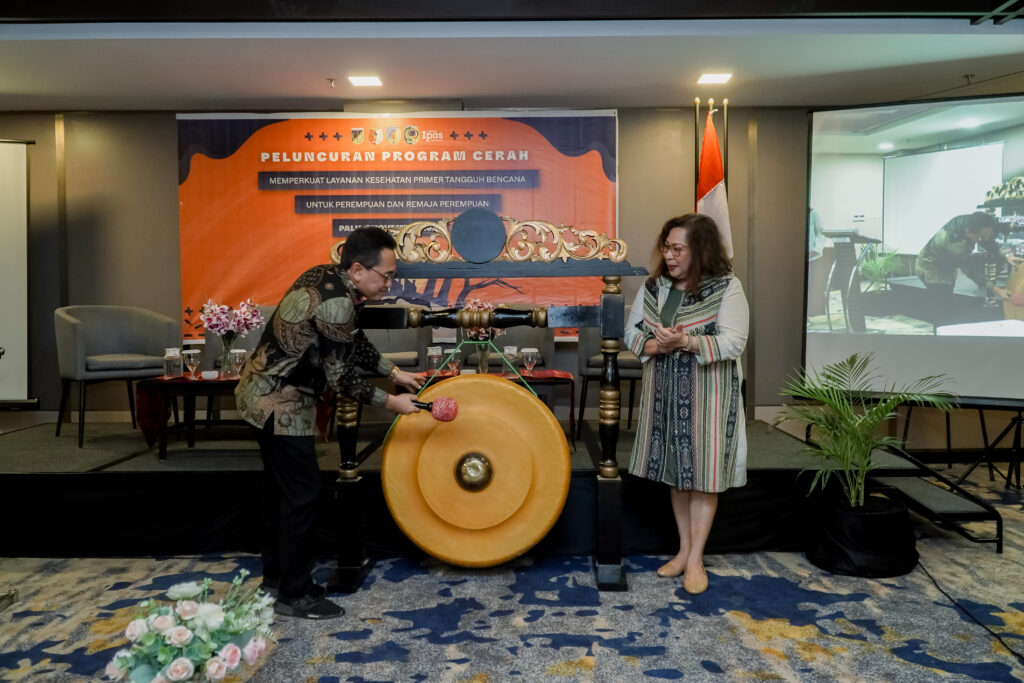
Yayasan Inisiatif Perubahan Akses menuju Sehat (IPAS) Indonesia launched the CERAH(Climate Emergency, Reproductive Rights and Health) program in Palu, Central Sulawesi, on Tuesday (6/11/2024). The program aims to increase the resilience of the primary health care system to climate change, within the scope of reproductive health – including the handling of cases of Gender-Based and Sexual Violence (GBV). This program will be implemented in Sigi, Parigi Moutong and Donggala districts in the period 2024-2026.
In 2022, the IPAS Indonesia together with Hasanuddin University conducted research to determine the relationship between climate crisis and health in Central Sulawesi. The study showed that the climate crisis, which is exacerbated by natural disasters, can cause a health crisis, especially access to reproductive health services. In addition, these conditions have led to an increase in cases of GBV and child marriage.
Executive Director of the IPAS Indonesia, Dr. Marcia Soumokil, MPH, said that the resilience of the health service system is very urgent amid the ongoing climate crisis. She emphasized that in disaster situations due to climate crisis, access to reproductive health, especially for women and adolescent girls and health services for victims and survivors of GBV need to be prioritized.
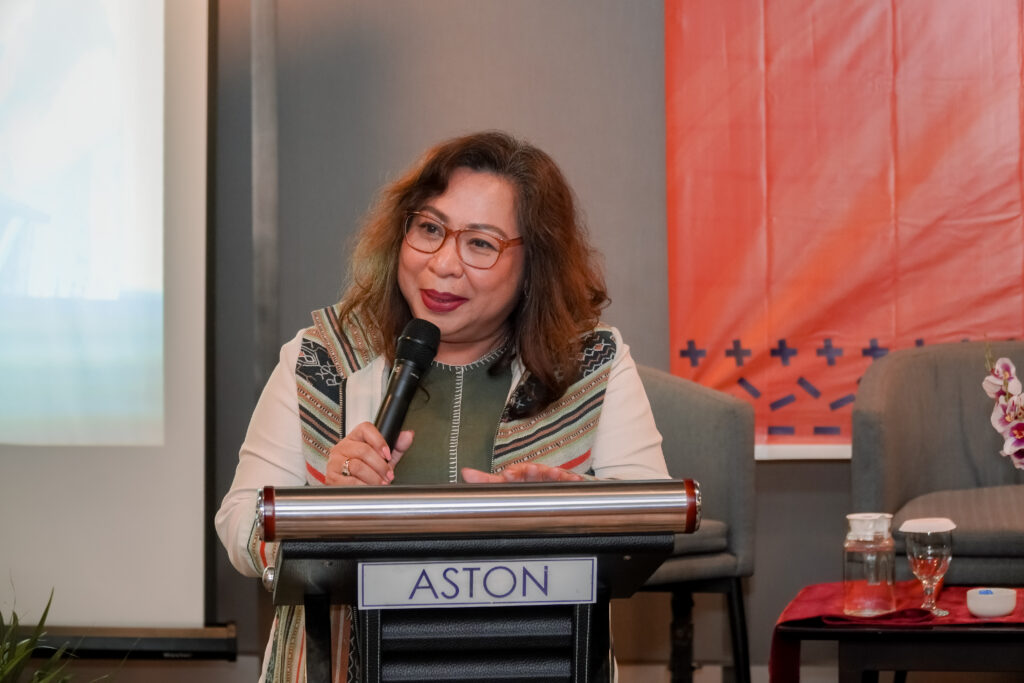
“We hope that the CERAH program can become a pilot program for regions in Indonesia in increasing the resilience of the primary health care system in both disaster and non-disaster situations,” said dr. Marcia.
In her speech, PJS Governor of Central Sulawesi Novalina, represented by the Head of the Health Office I Komang Adi Sujendra, said that adaptation is needed to prepare a more resilient health system due to the impact of the climate crisis.
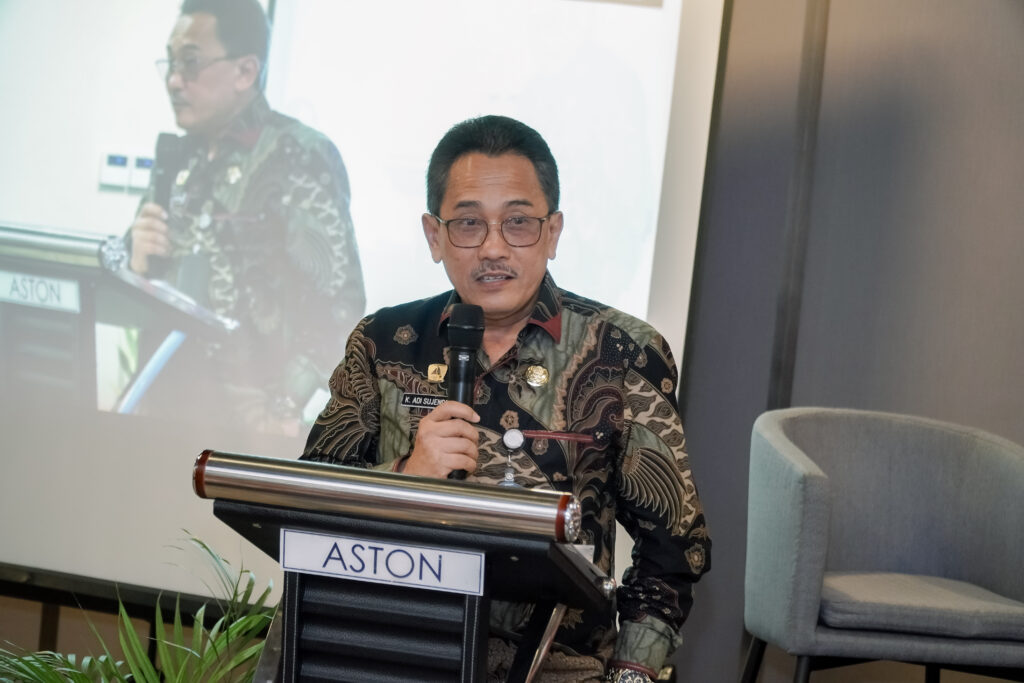
He added that the CERAH program not only addresses current health service needs, but also prepares the community to face future challenges.
“We all know that health is a fundamental human right. However, there are still many challenges facing our society, especially in terms of access to quality health services,” he said in the opening of the program.
For this reason, she continued, there is a need for collaboration from all parties to realize resilient health services. “Let’s increase public awareness about the importance of reproductive health and the impact of climate change on our health. With good cooperation, I am sure we can achieve the goals that have been set and provide great benefits to the people in Central Sulawesi,” she added.
Talkshow on Fulfilling Women’s Reproductive Rights in the Face of Climate Crisis
In this talk show, IPAS Indonesia Foundation invited Dra. Eko Novi Ariyanti R.D, M.Si Assistant Deputy for Gender Mainstreaming in the Social and Cultural Sector of the Ministry of Protection and Empowerment of Women and Children. On this occasion, she was represented by Meidiani Lestari Dewi, a Manager of Women’s Empowerment and Child Protection at the Assistant Deputy for Gender Mainstreaming in Social and Cultural Affairs. The other two speakers were a representative of young people from Central Sulawesi Aditya and environmental women journalist Minnie Rivai from Mongabay.
Mediani said that the impact of the climate crisis is not gender neutral because women are more affected than men. She highlighted the water crisis caused by climate change. “Women have to walk far to find water, which disrupts productivity and the economy of women,” she said.
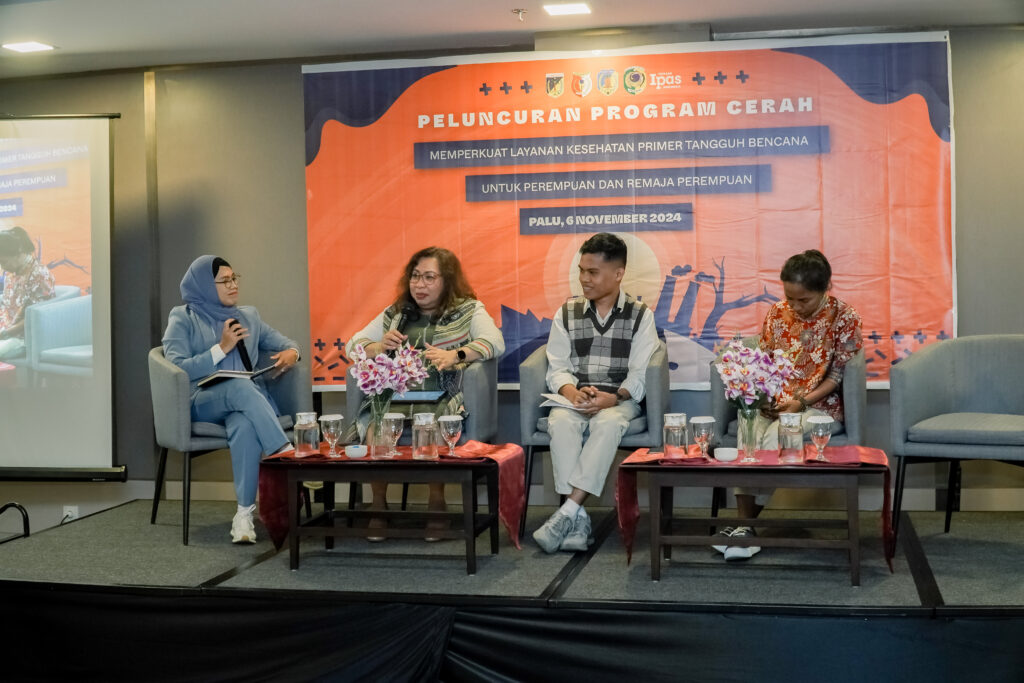
She emphasized that extreme weather due to climate change can cause pregnant women to experience hypertension and give birth prematurely. “[KemenPPA] ensures that women or adolescent girls, pregnant women who need health facilities in refugee camps remain available,” she added.
She added that KemenPPA has also committed to mainstreaming gender equality in climate change action. Among other things, ensuring gender equality is included in the National Medium-Term Development Plan 2025-2045. “The role of KemenPPA continues to encourage central and regional governments to mainstream gender equality from budgeting to reporting in all development sectors,” she added.
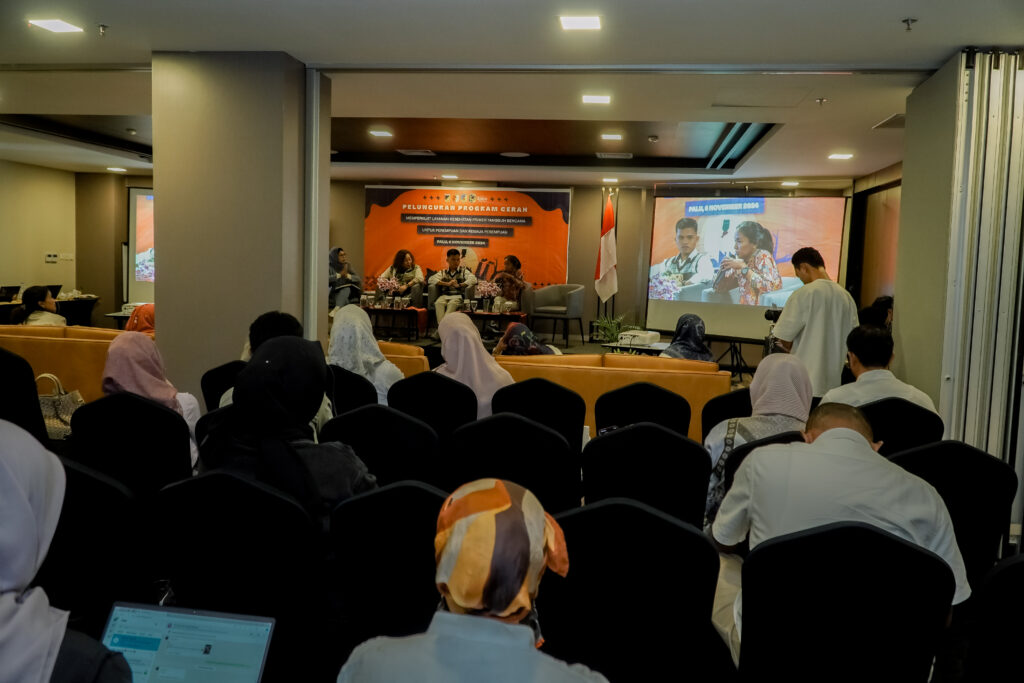
In terms of young people, Aditya said that many women have experienced both verbal and non-verbal harassment due to the climate crisis. He learned about this after attending a Photovoice training to explore the impact of climate crisis on reproductive health through the art of photography. “I raised in photovoice the impact of climate crisis, many women experience itching in the breast and vagina area because of water,” he added.
Meanwhile, from the media side, Minnie hopes that the CERAH program can provide information in reporting related to climate and health crisis issues. “Information on data and information on field facts, media friends from the CERAH program hope to help each other provide much clearer information, even if writing more on solutions, solution journalism provides a good answer,” she concluded.